
17+ Low-Cost Marketing Ideas for NZ Restaurants & Cafes (2026 Guide)
As a New Zealand business owner in hospitality, you're likely wearing multiple hats. You're the head chef, lead barista, manager, and accountant, all while trying to be a savvy marketer. With tight budgets and even tighter schedules, finding effective, low-cost marketing strategies for the Kiwi market can feel overwhelming. As we move into 2026, the digital landscape is more competitive than ever, and customers expect seamless, personalised experiences that generic advice often fails to deliver.
This guide is designed to solve that problem. We'll explore over 17 actionable, low-cost marketing ideas for 2026, backed by insights from New Zealand government sources and industry leaders. These are practical, budget-friendly tactics tailored for NZ restaurants, cafes, food trucks, and service businesses that you can implement today, without a dedicated marketing team.
Key Takeaways for Busy Owners
- Perfect Your Google Profile: Your number one free tool for attracting local customers. Keep it complete, active, and full of high-quality photos.
- Build Your Own Customer List: Use every transaction (in-store, online, or booking) as an opportunity to collect customer contact details. Owning your data is crucial for driving repeat business.
- Focus on Retention: A simple digital loyalty program and automated emails are cheaper and more effective than constantly finding new customers.
- Collaborate Locally: Partner with nearby, non-competing businesses to cross-promote and double your marketing reach for free.
Master Your Free Digital Foundations
Before spending a dollar, it's crucial to optimise the free assets every business has. Think of these as your digital front door.
1. Perfect Your Google Business Profile
Your Google Business Profile (GBP) is arguably the most powerful free marketing tool at your disposal. It's often the first interaction a potential customer has with your brand. Simply creating a profile is not enough; you must manage it actively.
Pro-Tip: If you only have time to do one thing on this list, make it this. A fully optimised GBP that you update weekly can have a bigger impact on walk-in traffic than any other single activity.
Actionable Tips:
- Complete Every Section: Fill out your services, attributes (e.g., 'outdoor seating', 'free Wi-Fi'), accessibility information, and health and safety measures.
- Upload High-Quality Photos & Videos: Showcase your food, your atmosphere, and your team. Add new photos weekly to signal to Google that your profile is active.
- Use the Q&A Feature: Proactively add your own frequently asked questions and answer them. This helps you control the narrative and provide key information upfront.
- Enable Direct Bookings: If you take reservations, integrate your profile with a system that supports Reserve with Google. This allows customers to book directly from your profile, reducing friction and capturing business instantly.
- Post Regular Updates: Share daily specials, upcoming events, or news directly on your GBP to keep it fresh and engaging.
2. Own Your Online Ordering Channel
While third-party delivery apps have their place, their commissions of 15-30% can cripple your margins. More importantly, they own your customer data. A profitable long-term strategy is to drive customers to your own branded online ordering system. According to a government guide on marketing strategy, understanding and owning your customer relationships is fundamental.
Actionable Tips:
- Adopt Commission-Free Ordering: Look for an online ordering system that integrates directly with your POS. This eliminates commissions and manual re-entry of orders, saving time and money.
- Incentivise Direct Orders: Offer a small discount (e.g., 10% off) or a free item for customers who order directly from your website. Even with the discount, you'll likely be more profitable on that order.
- Promote It Everywhere: Add a clear "Order Direct & Save" link to your Google profile, social media bios, and even on your physical receipts.
Leverage Social Media the Kiwi Way
Social media isn't just about posting pretty pictures; it's about building a community and engaging with your local audience.
3. Create Engaging Instagram & TikTok Content
Instagram is a visual discovery platform, perfect for showcasing your offerings. For a younger demographic, TikTok provides an opportunity for more personality-driven, viral content.
Actionable Tips:
- Run a User-Generated Content (UGC) Contest: Encourage customers to post photos at your establishment with a specific hashtag for a chance to win a voucher. This provides you with authentic marketing content for free.
- Partner with Micro-Influencers: Instead of expensive macro-influencers, collaborate with local food bloggers or community figures who have a smaller but highly engaged following in your area. An offer of a complimentary meal is often enough to secure a post.
- Go Behind the Scenes: Use Instagram Stories and Reels to show your team preparing a new dish, your barista perfecting latte art, or a tour of your kitchen. Authenticity builds trust.
4. Engage with Your Local Community on Facebook
Facebook remains a powerhouse for local marketing. Join local community groups (e.g., 'Wellington Foodies', 'Christchurch Cheap Eats') not to spam, but to engage authentically.
Actionable Tips:
- Answer Relevant Questions: If someone asks for the best coffee spot in your neighbourhood, have a staff member or friend recommend your cafe with a genuine comment.
- Run Local Polls: In a community group, run a fun poll like, "We're creating a new winter pie. What flavour should we make: Steak & Cheese or Butter Chicken?" It generates engagement and provides valuable customer feedback.
Build a Customer Database You Actually Own
A key weakness in many marketing plans is the failure to capture and use customer information. Your customer database is a goldmine for targeted, low-cost marketing.
5. Start Building Your Customer Database Today
Every transaction is an opportunity to build your marketing list. A modern POS with integrated customer management (CRM) capabilities can automate this process.
Actionable Tips:
- Capture Details at POS: When a customer pays, ask if they'd like an email receipt and to join your mailing list for exclusive offers.
- Use Your Booking System: Every reservation is a chance to add a customer to your database. Ensure your booking software captures email addresses and marketing consent.
- Leverage Online Ordering: Your direct online ordering system is a primary source for collecting customer contact details and order history.
6. Implement Smart Email & SMS Marketing
Once you have a database, you can use it for highly effective, personalised marketing that costs very little to send.
Actionable Tips:
- Automate a Birthday Offer: Set up an automatic email or SMS that sends a customer a special offer (like a free coffee or dessert) on their birthday. This simple gesture can create a customer for life.
- Launch a 'We Miss You' Campaign: Use your sales data to identify customers who haven't visited in 60 or 90 days and automatically send them a small incentive to return.
- Segment Your Audience: Don't send the same message to everyone. Create segments like 'VIPs', 'Lunch regulars', or 'New customers' and tailor your offers accordingly.
Drive Repeat Business with Modern Loyalty Programs
Acquiring a new customer can cost five times more than retaining an existing one. With the hospitality sector leading job growth in New Zealand, as noted by Stats NZ, competition for customers is fierce, making retention crucial.
7. Ditch Paper for a Digital Loyalty Program
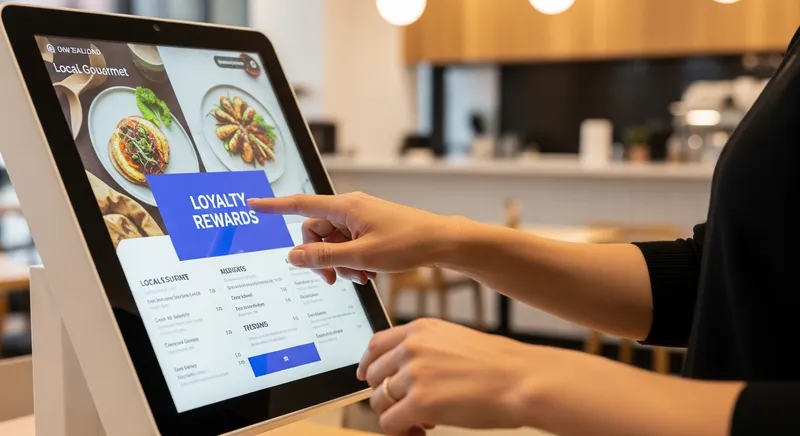
Paper stamp cards get lost, damaged, and provide you with zero data. A digital loyalty program integrated into your POS solves these problems and increases engagement.
Actionable Tips:
- Use a Points-Based or Tiered System: Instead of a simple "buy 9, get 1 free," create a tiered system (e.g., Bronze, Silver, Gold) where customers unlock greater rewards as they spend more. This encourages them to increase their average spend.
- Make it Effortless: Choose a system where points are automatically added through the POS. The customer only needs to provide their phone number or name.
- Use Push Notifications: Remind customers of their points balance or when they're close to a reward to encourage a return visit.
8. Use Digital Vouchers & Gift Cards to Boost Cashflow
Digital vouchers and gift cards are a fantastic way to secure revenue in advance and attract new customers. They are perfect for holidays, birthdays, and corporate gifts.
Actionable Tips:
- Promote for Key Occasions: Run promotions for Mother's Day, Father's Day, and Christmas. A "buy a $100 voucher, get a $20 bonus voucher" is a popular and effective strategy.
- Make it Easy: Modern systems allow customers to store gift cards in their Apple Wallet or Google Pay, ensuring they never forget them.
- Sell Vouchers Online: Allow customers to purchase gift cards 24/7 directly from your website.
Hyper-Local Marketing for Immediate Impact
These strategies focus on connecting with the community right outside your door.
9. Collaborate with Neighbouring Businesses
Partner with non-competing local businesses to cross-promote. The combined marketing effort reaches a wider, relevant audience.
Actionable Tips:
- Dinner and a Show: Partner with a local theatre to offer a pre-show dinner special.
- Workout and Refuel: Team up with a nearby gym or yoga studio to offer their members a post-workout discount.
- Retail and Relax: A beauty shop could partner with a neighbouring cafe to offer a free coffee with every treatment.
10. Host Memorable, Low-Cost Events
Events create a buzz and give people a new reason to visit. They don't have to be expensive or complicated.
Actionable Tips:
- Meet the Maker: Partner with a local coffee roaster, winemaker, or craft brewer for a tasting night.
- Themed Trivia Nights: Host a trivia night based on popular culture (e.g., Harry Potter, Marvel) with a small entry fee redeemable on food and drinks.
- Celebrate Matariki: Create a special menu or event inspired by Matariki, showing a connection to local culture and traditions.
11. Try Low-Risk Guerrilla Marketing
Guerrilla marketing is about using creativity and imagination to get maximum results from minimal resources.
Actionable Tips:
- Creative Chalk Art: Use temporary chalk spray to create an eye-catching message or artwork on the pavement outside your business.
- Free Sample Pop-up: If there's a local market or event nearby, set up a small table and offer free samples of a signature item.
Tailored Ideas & Future-Proofing
Not all businesses are the same. Here are some tailored ideas and forward-looking strategies.
12. For Food Trucks
Mobility is your biggest asset. Focus on location-based marketing.
- Actionable Tip: Post your location every morning on Instagram Stories and Facebook. Partner with local office parks or breweries to become their regular lunch or dinner option.
13. For Beauty & Massage Shops
Your business is built on appointments and repeat clients. Reducing no-shows and encouraging rebooking is key.
- Actionable Tip: Use a booking system with automated SMS and email reminders to drastically cut your no-show rate. Use your client database to send reminders for follow-up appointments.
14. Market Your Sustainability Efforts
New Zealand customers increasingly value authenticity and environmental consciousness. This is a powerful marketing tool.
- Actionable Tip: Highlight your use of local suppliers, efforts to reduce food waste, or sustainable packaging. Mention this on your menu, social media, and Google Business Profile to build brand affinity.
15. Optimise for Voice Search
More customers use voice assistants ("Hey Siri, find a cafe with outdoor seating"). Be ready for this trend.
- Actionable Tip: Ensure your Google Business Profile attributes (like 'outdoor seating') are complete. Structure your website FAQ to answer common questions in natural language, like "Do you have vegan options?"
Measure What Matters
Marketing without measurement is just guessing. Understanding what works allows you to focus your limited time and money effectively.
16. Use Your POS as a Marketing Hub
A modern POS is more than a cash register; it's a powerful data tool. Its reporting and analytics dashboard can give you a wealth of information.
Actionable Tips:
- Identify Your Best-Sellers: Use sales data to see which items are most popular and profitable. Feature these items in your social media posts.
- Track Promotion Success: When you run a special, use your POS to track how many were sold. This tells you which offers resonate with your customers.
- Know Your Peak Hours: Use hourly sales reports to optimise staffing and run promotions during quieter periods to drive traffic.
17. Conduct Simple A/B Testing
You don't need fancy software to do this. Simply test one change at a time and measure the result.
- Actionable Tip: For one week, offer a "Free Fries with any Burger" deal. The next week, offer "15% off all Burgers." Track the redemption rate in your POS to see which offer was more effective.
Conclusion
Marketing your New Zealand hospitality or service business in 2026 doesn't require a massive budget. It requires creativity, consistency, and a focus on building genuine community connections. By leveraging free digital tools, owning your customer data, and implementing smart, low-cost strategies, you can effectively compete and grow your business.
Start by choosing just two or three ideas from this list and implementing them well. As demonstrated by research from institutions like the University of Otago's Marketing Department, understanding consumer behaviour is key. Using an all-in-one POS system can automate many of these tasks, saving you precious time while providing the data you need to make smarter marketing decisions.
Frequently Asked Questions
How can I market my restaurant in NZ with no money?
Marketing with zero budget is all about investing your time into free channels. Start by completely optimising your Google Business Profile with high-quality photos, regular posts, and a full Q&A section. Next, become an active member of local community Facebook groups, offering helpful advice instead of just advertising. On Instagram, encourage customers to tag you in their photos (user-generated content) for a chance to be featured. Finally, use your POS to capture customer emails for free email marketing down the line.
How do small restaurants market themselves effectively on a budget?
Smart, budget-conscious restaurants focus on retention and local engagement. First, they maximise the value of every customer by implementing an affordable digital loyalty program. Second, they form partnerships with neighbouring, non-competing businesses for cross-promotions, doubling their reach for free. Finally, they invest a very small budget (e.g., $50-$100) into highly targeted social media ads aimed at people within a few kilometres of their location.
What is a good marketing budget for a small restaurant in New Zealand?
A common industry benchmark is 3-6% of your revenue. However, if you are new or on a tight budget, focus on 'sweat equity' first by investing time in the free strategies mentioned above. Once you have consistent cash flow, you can start allocating a small, fixed amount, like $200 per month, to test paid promotions. The most important thing is to track your results. If you spend $50 on a Facebook ad that brings in $250 in sales (tracked via a specific promo code in your POS), you know it's a worthwhile investment.
How can I promote my restaurant locally and attract new customers?
To attract local customers, you need to be visible where they live and work. Perfecting your Google Business Profile is crucial for appearing in "near me" searches. Hosting community-focused events, like a trivia night or a tasting with a local supplier, gives people a reason to visit for the first time. Collaborating with local businesses, such as a nearby office for a corporate lunch deal or a gym for a healthy meal discount, introduces your brand to an established local audience.
What is the best social media platform for cafes in New Zealand?
For most NZ cafes, Instagram is the most valuable platform. Its visual-first format is ideal for showcasing your latte art, beautifully plated food, and the unique vibe of your space. Use high-quality photos in your feed, Reels for showing behind-the-scenes action, and Stories for daily specials and interactive polls. While Instagram is key, maintaining an up-to-date Facebook page is also important for events and connecting with a slightly older demographic and local community groups.