
Boost Restaurant Sales & Efficiency: The 2026 Guide to NZ's Best Table Ordering Systems
Boost Restaurant Sales & Efficiency: The 2026 Guide to NZ's Best Table Ordering Systems
It's the feeling every New Zealand hospitality owner knows: a full house, a queue at the door, and a team stretched to its absolute limit. You're navigating staff shortages, rising wage costs, and the constant pressure to deliver flawless service. It feels like you're operationally capped, burning out your team and yourself just to keep the wheels turning, let alone grow.
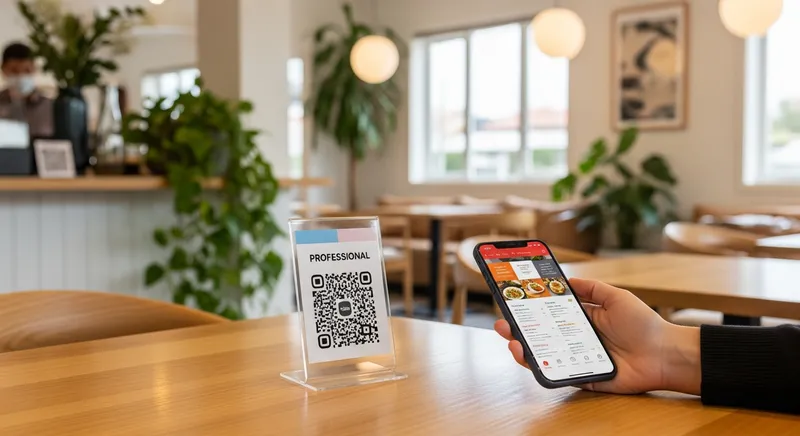
What if you could change that? What if your customers could order and pay the moment they're ready, without waiting for a server? This is the reality that customer-led table ordering systems—powered by QR codes—are bringing to hospitality businesses across NZ. This technology is no longer a novelty; it's a necessity for survival and growth.
As the Restaurant Association of New Zealand notes, technology adoption is crucial for businesses to battle costs and staff shortages. This guide will walk you through everything you need to know about choosing the right table ordering system to increase your sales, reduce staff pressure, and dramatically improve customer satisfaction in the unique New Zealand market.
The Tipping Point: Why NZ Hospitality is Embracing At-Table Ordering
The shift toward digital ordering isn't just a trend; it's a direct response to a perfect storm of challenges facing the New Zealand hospitality industry. Labour shortages, increasing wage bills, and the high expectations of modern diners have created a tipping point. For many, technology is the most viable path forward.
The scale of our industry is significant. With tourism and hospitality employing nearly 1 in 9 working New Zealanders according to official government figures, efficiency is paramount. You're not just running a business; you're part of a critical economic engine. Table ordering systems provide the horsepower you need to operate at full capacity without overwhelming your team.
The Triple Win: How Table Ordering Systems Revolutionise Your Operations
Implementing a modern table ordering system isn't just about adding a gadget; it's about fundamentally improving your business model. It delivers a powerful 'triple win' by simultaneously boosting revenue, decreasing your team's workload, and creating a better experience for your guests.
1. Boost Your Bottom Line: Increase Turnover and Average Order Value (AOV)
When customers order for themselves, they consistently spend more. Visually appealing digital menus with enticing photos and automated upselling prompts make it easy for them to add more to their cart. This is a core principle of kiosk psychology, where a pressure-free environment encourages exploration and higher spend—often by 20-30%.
Furthermore, the process is faster. By eliminating the time spent waiting to flag down a server, place an order, and then wait again to pay, you can significantly increase table turnover. A table that turns just 15 minutes faster during a three-hour dinner service can potentially accommodate an entire extra seating. A report from the National Restaurant Association in the U.S. confirms that a majority of customers are happy to use table-side technology to order and pay.
2. Alleviate Staff Pressure & Eliminate Errors
Imagine a service where your staff aren't constantly running to take basic orders or process payments. A table ordering system automates these repetitive tasks, freeing your team to focus on what truly matters: genuine hospitality. They can spend more time greeting guests, offering personal recommendations, and ensuring everyone is having a wonderful experience.
This automation also drastically improves order accuracy. When a customer inputs their order directly, it goes straight to the kitchen. This eliminates errors from misheard orders or illegible handwriting, which means less food waste, fewer costly comps, and a smoother workflow. Orders are sent directly to a Kitchen Display System (KDS) or printer, creating a clear, chronological queue for your chefs and reducing kitchen stress.
3. Elevate the Customer Experience
The biggest frustration for diners is waiting—waiting to order, waiting for a drink, and especially waiting to pay. Table ordering puts the customer in control of their own timeline. They can order another round of drinks the moment they decide they want one, without trying to catch a server's eye during a rush.
This is crucial for meeting modern expectations. As highlighted in Restaurant & Café Magazine, younger diners in particular have a strong preference for technology-driven convenience. Furthermore, a Mastercard survey mentioned by Hotel Magazine found that a third of Kiwis get frustrated by retailers who don't offer modern, contactless payment options. By providing a seamless digital experience, you not only satisfy your current customers but also build a reputation that attracts new ones and improves your ability to manage your floor with a smart waitlist strategy.
The 2026 Checklist: Key Features for NZ Businesses
Not all ordering systems are created equal, especially in the New Zealand market. When evaluating your options, look for a system that is built for local conditions. Here's a checklist of what to look for, inspired by the focus on practical application taught in hospitality programs at institutions like Auckland University of Technology (AUT).
Actionable Tip: Use this checklist when you're getting demos from providers. Don't be afraid to ask direct questions about NZ-specific functionality.
Must-Have Features for NZ:
- Direct EFTPOS NZ Integration: The system must connect seamlessly with EFTPOS NZ certified terminals for reliable, fast, and secure payments.
- Robust Offline Mode: Internet can be unreliable. Your POS must be able to continue taking orders and processing payments even if the connection drops, syncing everything once it's back online.
- Local NZ Support: When you have an issue during a busy Friday night service, you need to speak with someone in your time zone who understands your business.
- Xero Integration: Your sales data should flow directly into your accounting software to make reconciliation and tax time simple.
- No Hidden Fees: Be clear on all costs—monthly software fees, payment processing rates, and any hardware costs.
High-Impact Features for Growth:
- Integrated Table Management: A visual floor plan that tracks table status and links directly to orders.
- Built-in Loyalty Programmes (Premium Feature): Encourage repeat business with digital stamp cards or points systems.
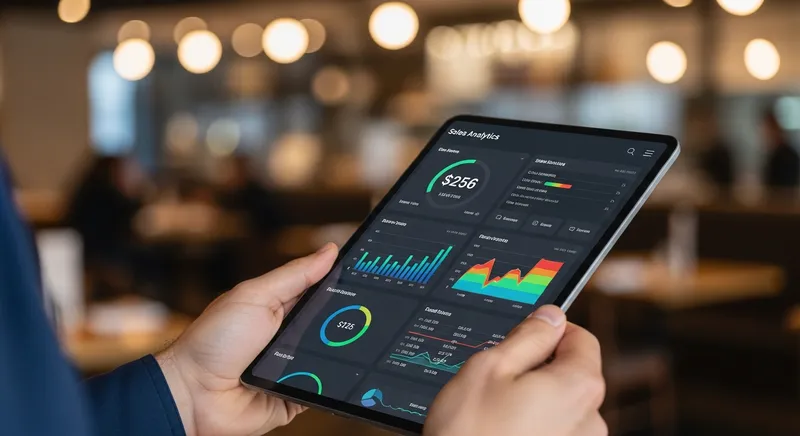
- Advanced Analytics (Premium Feature): Go beyond daily sales to understand your best-selling items, peak hours, and customer behaviour.
- Multi-Language Support: Essential for serving international tourists, especially in major centres.
For a more exhaustive list of what to look for, review this complete POS Features Checklist for 2026.
Comparing the Best Table Ordering Systems in New Zealand
The market can be confusing. To simplify it, think of providers in three main categories. Your goal is to find the best fit for your specific business needs and budget.
Actionable Comparison Table
| Feature | Lazygrid (All-in-One NZ) | Global Giants | Local POS Specialists |
|---|---|---|---|
| NZ Payment Integration | Excellent (Built for EFTPOS NZ) | Good (Often Stripe-first) | Excellent (Long-standing) |
| Offline Mode | Excellent (Core feature) | Varies by provider | Strong, but can be hardware-based |
| Local Support | High (Local team, NZ hours) | Varies (Can be int'l call centres) | High (Local teams) |
| Pricing Model | Transparent SaaS (monthly fee) | SaaS, tiered transaction rates | Often upfront hardware/license cost |
| Best For | SMBs wanting a unified, modern system | Businesses needing specific global features | Venues needing complex, custom hardware |
Before committing, always get a demo and a clear breakdown of all potential costs. For more detail, see our guide on how much a POS system really costs in NZ.
Beyond the Restaurant: Tailoring Solutions for Your Business
Table ordering technology is not just for traditional restaurants. Its principles of efficiency and customer empowerment can be adapted for a wide range of businesses.
- Cafes: Use QR codes on tables or a self-service kiosk to bust the morning queue. Customers can order and pay while your baristas focus solely on making perfect flat whites. Example: An Auckland cafe saw a 40% reduction in queue times during the morning rush.
- Food Trucks: Place a large QR code on your counter or the side of your truck. Customers can scan, order, and pay from their phone while waiting, dramatically speeding up your service window and allowing you to ditch high-commission ordering apps. Example: A Wellington food truck increased its lunch service capacity by 25%.
- Bars & Pubs: Allow patrons to start a tab, view the full drink list, and order another round directly from their table. No more fighting for the bartender's attention on a busy Saturday night. This also increases spend, as customers order one more drink they might have otherwise skipped.
- Beauty & Wellness: Use a similar system for service selection. Clients can scan a code at reception, review service add-ons (like hot stones or a specific oil), select their preferences, and even pre-pay, reducing admin time and upselling premium services effortlessly.
Conclusion: The Future is Efficient, Profitable, and Less Stressed
Adopting a table ordering system is not about replacing your valuable staff; it's about empowering them. By automating the repetitive, low-value tasks, you free your team to focus on creating memorable guest experiences—the true heart of hospitality.
The benefits are clear: increased average order values, faster table turnover, drastically reduced errors, and a significant reduction in the pressure on your team. In the competitive New Zealand market of 2026, embracing this technology is the most effective way to build a more resilient, profitable, and less stressful business.
Ready to see the difference? Book a free, no-obligation demo of Lazygrid today and discover how you can increase sales while reducing staff stress.
Frequently Asked Questions
How much do table ordering systems cost in NZ?
The cost of a table ordering system in New Zealand varies but typically consists of three parts: a recurring software subscription fee (SaaS), a one-time hardware cost, and ongoing payment processing fees. Monthly software fees can range from $50 for a basic plan to over $150 for a premium, all-in-one solution. Hardware, such as iPads and payment terminals, can be purchased upfront or leased. Always ask for a transparent breakdown of the total cost of ownership, including transaction fees, to avoid surprises. For a deeper dive, check our complete guide to POS pricing.
Will my older customers be able to use a QR code ordering system?
This is a common and important consideration. The best practice is to implement a hybrid model. Continue to offer traditional printed menus and server-based ordering alongside the new digital option. Frame the QR code as an added convenience, not a replacement. Train your staff to be proactive in offering assistance to any guests who seem hesitant or unfamiliar with the technology. This ensures you cater to everyone.
Do I need a strong internet connection for a table ordering system to work?
While a stable internet connection is ideal, a critical feature for any system in NZ is a robust offline mode. This functionality allows your POS system to continue taking orders, processing transactions, and sending dockets to the kitchen even if your internet connection drops. All the data is stored securely on the device and automatically syncs with the cloud once connectivity is restored, ensuring zero disruption to your service.
Can I use my existing iPads or tablets?
It depends on the provider. Many modern, cloud-based POS systems (like Lazygrid) are hardware-agnostic, meaning they are designed to work on standard consumer devices like iPads. This can significantly reduce your initial setup costs. However, some legacy providers require you to purchase or lease their proprietary hardware. This is a crucial question to ask during any sales demo.
Is a table ordering system suitable for a small cafe or food truck?
Absolutely. Modern table ordering systems are highly scalable and offer huge benefits for small businesses. For a busy cafe, a simple QR code on each table can allow customers to order a second coffee without leaving their seat, increasing spend and freeing up staff. For a food truck, a large QR code lets customers order and pay while they wait in line, dramatically speeding up your service window and maximizing sales during peak hours.
How does this integrate with my kitchen?
A table ordering system creates a direct, digital link between your customer and your kitchen. When a customer places an order via QR code, it is instantly transmitted to a Kitchen Display System (KDS) or a kitchen printer. This eliminates the need for staff to write down orders and run them to the kitchen. The result is faster ticket times, fewer errors, and a calmer, more organized kitchen workflow.