
How to Open a Cafe in NZ: Your Ultimate 13-Step Checklist for 2026
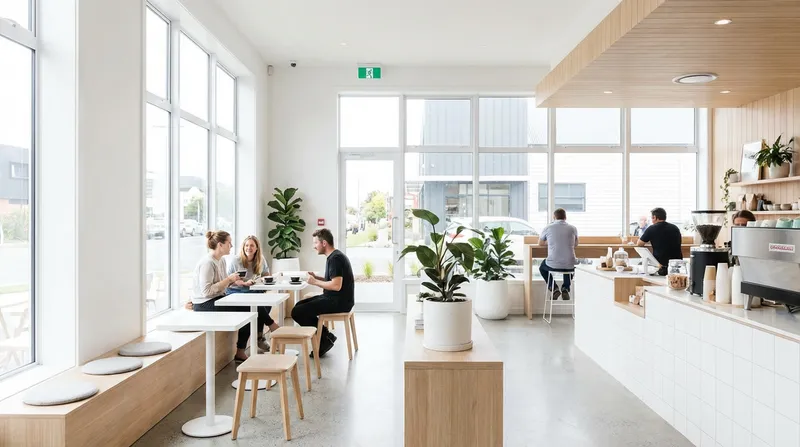
Introduction: Your Dream of Opening a Cafe in New Zealand Starts Here
Opening a cafe in New Zealand is a dream for many. You can picture it now: the rich aroma of freshly ground coffee, the gentle hum of conversation, and a queue of happy regulars. But turning that dream into a successful, thriving business requires more than just passion—it demands a solid plan.
The Kiwi hospitality scene, which generates over $12 billion annually, is vibrant and competitive. The Restaurant Association of New Zealand notes that while sales are high, rising costs constantly squeeze profitability. Success requires smart operational systems from day one.
That's why we've created this definitive checklist for 2026. This isn't just another generic guide. It's a step-by-step roadmap tailored for aspiring cafe entrepreneurs in New Zealand. From writing your business plan to navigating the Food Act and choosing the right technology, this 13-step guide will give you the clarity and confidence to launch your cafe successfully.
Step 1: Write a Solid Cafe Business Plan
Before you even think about coffee machines or decor, you need a business plan. This document is your blueprint for success, essential for securing funding and guiding every decision. According to Business.govt.nz, testing your idea and creating a plan is the foundational first step. Your cafe business plan should include:
- Executive Summary: A concise overview of your entire plan.
- Company Description: Your vision, your unique selling proposition (USP), and what makes your cafe special.
- Market Analysis: Who is your target audience? Who are your local competitors?
- Operations Plan: How you'll run the cafe day-to-day, including staffing and workflow.
- Financial Projections: This is crucial. Detail your startup costs, projected revenue for the first three years, and when you expect to break even.

Step 2: Understand the Cost to Open a Cafe in NZ & Secure Funding
Startup costs can vary dramatically, but you need a realistic budget. Being undercapitalised is one of the biggest risks for a new business.
Key Startup Costs
Your main expenses will include:
- Cafe Fit-Out: This is often the largest expense. Research from commercial fit-out specialists like Total Fitouts suggests a mid-range hospitality fit-out in NZ for 2025/2026 can cost between $1,500 and $2,500 per square metre.
- Kitchen & Service Equipment: Espresso machine, grinders, ovens, refrigeration, and your Point of Sale (POS) system.
- Lease Deposit & Legal Fees: Securing your location comes with significant upfront costs.
- Licensing and Registration Fees: Costs for council registration, food safety verification, etc.
- Initial Stock: Your first order of coffee beans, milk, food ingredients, and packaging.
- Working Capital: A cash buffer to cover operating costs (rent, wages, supplies) for the first 3-6 months before you turn a consistent profit.
Securing Your Funding
With these figures in hand, you can approach funding sources. These may include personal savings, a business loan from a bank, or government-supported business startup programs. When budgeting for technology, remember that modern systems offer significant savings. For example, traditional POS systems can cost over $5,000 upfront, while a cloud-based system like Lazygrid starts from just $24/month and can run on an iPad you may already own.
Step 3: Choose a Business Structure and Register Your Business
How you structure your business has legal and tax implications. The most common options in New Zealand are:
- Sole Trader: The simplest structure, where you and the business are legally the same entity. It's easy to set up but offers no personal liability protection.
- Partnership: Two or more people own the business. A partnership agreement is essential.
- Company: A more complex structure that creates a separate legal entity. This protects your personal assets but involves more administration.
Most hospitality experts recommend registering as a company for liability protection. You can register your company name and structure online via the New Zealand Companies Office. You'll also need to register with Inland Revenue (IRD) for an IRD number and for GST if you expect your annual turnover to exceed $60,000.
Step 4: Navigate NZ's Cafe License and Food Safety Requirements
This is the most critical and non-negotiable part of your setup. New Zealand has strict food safety laws, primarily governed by the Food Act 2014. The process involves both national standards and local council enforcement.
Registering Under the Food Act 2014
Every food business in New Zealand must be registered. As noted by legal experts at LegalVision New Zealand, you must register with either your local council or directly with the Ministry for Primary Industries (MPI). For most cafes, registration will be with your city or district council. For example, Auckland Council provides a clear portal for starting a cafe, which includes submitting an application and having your premises inspected.
Your Food Control Plan (FCP) or National Programme
This is where many new owners get confused. The Ministry for Primary Industries (MPI) is the ultimate authority here. To figure out exactly what you need, use their online tool, 'My Food Rules'.
- Food Control Plan (FCP): If you are making and selling your own food—like preparing sandwiches, cooking breakfasts, or baking on-site—you will almost certainly need an FCP. This is a written plan that identifies food safety risks and shows how you'll manage them. Most cafes use a 'template FCP', which is a pre-written plan provided by MPI that you adapt to your business.
- National Programme: This is for lower-risk food businesses, such as those that only sell pre-packaged food or brew coffee and tea. If you're only serving cabinet food made by another registered supplier, you might fall under a National Programme.
Once your FCP is in place, it must be regularly checked by a recognised food safety verifier. Your POS system should make this easier; Lazygrid's detailed transaction logs and ingredient tracking simplify record-keeping for your verifier.
Step 5: Choose the Perfect Cafe Location
Your location can make or break your business. When scouting for the perfect spot, consider:
- Foot Traffic: Is there a steady flow of people throughout the day?
- Visibility & Accessibility: Is it easy to see and get to? Is there parking?
- Local Demographics: Does the local population match your target audience?
- Competition: Are there other cafes nearby? A little competition can be healthy, but a saturated market is tough.
Before you sign a lease, double-check the local council's zoning requirements. Alternatively, consider buying an existing cafe. This provides an established location and customer base but requires thorough due diligence.
Once you have a location, think about how technology can maximize your space. If your counter is small, a self-service kiosk can handle ordering, freeing up your barista and boosting efficiency. Studies show kiosk orders are often up to 30% larger, too.
Step 6: Plan Your Cafe Fit-Out and Design
A great fit-out is about more than just aesthetics; it's about creating an efficient and safe workflow. Your design must accommodate a smooth customer journey from ordering to seating, and a logical flow for staff from food prep to service. Ensure your design complies with all New Zealand building codes, health regulations, and accessibility standards. Remember the cost estimates from Total Fitouts and get multiple quotes from reputable builders to avoid budget blowouts.
Step 7: Source Your Essential Cafe Equipment
High-quality, reliable equipment is an investment that pays for itself. Your essential equipment checklist includes:
- Commercial espresso machine and grinders
- Refrigeration (display and under-counter)
- Ovens, grills, or countertop cookers
- Commercial dishwasher
- Ice machine
- A modern, cloud-based Point of Sale (POS) system
Your POS is the operational heart of your cafe. A modern system like Lazygrid, certified for use with all major payment providers including the EFTPOS NZ network of over 50,000 merchants, does more than just process sales. It unifies your operations, managing inventory, tracking your best-sellers, and integrating your commission-free online ordering and loyalty program in one place. For a deep dive, check out our Complete Guide to Choosing a POS System for Your NZ Restaurant.
Step 8: Find the Best Suppliers for Your Cafe
The quality of your coffee, milk, and food will define your cafe's reputation. Focus on quality, consistency, and reliability, and build strong relationships with local suppliers.
- Coffee Roasters: Partner with a local roaster who provides quality beans, training, and support.
- Milk & Alternatives: Find a dairy supplier that can deliver consistently.
- Food & Produce: Source fresh ingredients from local providers where possible.
- Packaging: Choose sustainable, good-quality takeaway cups, lids, and containers.
Ask your suppliers if they can integrate with your POS for automatic ordering. Lazygrid's inventory management helps you avoid running out mid-service by sending low-stock alerts before your Saturday rush.
Step 9: Design Your Menu and Set Profitable Prices
Your menu should be a balance of popular, easy-to-make items and unique, high-profit offerings. Use menu engineering to understand the food cost and profit margin of every single item. With immense pressure from rising food and wage costs, accurate pricing is critical. For in-depth strategies, explore these 7 Menu Pricing Strategies to Maximize Your Restaurant Profit.
Step 10: Hire and Train Your A-Team
Your staff are the face of your business. Hire for attitude and train for skill. Before hiring, familiarise yourself with your obligations as an employer in New Zealand regarding employment agreements, minimum wage, holiday pay, and health and safety. Ensure every team member is thoroughly trained on your Food Control Plan, service standards, and how to use your POS system efficiently. The right POS can also help you optimize staff management and performance in your cafe.
Step 11: Implement Your Technology: POS, Payments, and Loyalty
In 2026, technology is a core strategic tool. Your POS system is the central hub connecting everything. A modern, cloud-based POS like Lazygrid does more than just process sales. It helps you:
- Streamline Operations: Take orders faster and send them directly to the kitchen, reducing errors and wait times.
- Manage Inventory: Track stock levels in real-time to prevent running out of key ingredients.
- Make Data-Driven Decisions: Analyse sales reports to see what's selling, what's not, and when your busiest periods are.
Crucially, choose a system with an integrated loyalty program. Capturing your very first customers and turning them into regulars is the fastest path to profitability. A digital loyalty system makes this effortless. To learn more, see these 5 Ways a Loyalty Programme Brings Customers Back to Your Cafe.
Step 12: Develop a Pre-Launch and Grand Opening Marketing Plan
Start building buzz before you even open your doors. A simple but effective marketing plan can make a huge difference.
- Pre-Launch: Use 'coming soon' signage on your location. Create social media pages (Instagram, Facebook) and post behind-the-scenes progress. Reach out to local food bloggers and media.
- Grand Opening: Host an opening event with a special offer (e.g., 'first 50 coffees free') to attract your first wave of customers.
- Ongoing Marketing: Actively encourage customers to leave online reviews on Google and other platforms. Use the email list from your loyalty program to send targeted promotions. Post high-quality photos of your daily offerings and specials on social media to keep your audience engaged. Explore more ideas in our guide to digital marketing for cafes.
Step 13: Your Grand Opening and First 90 Days
On opening day, have a final checklist to ensure everything is ready. The first 90 days are a critical learning period. Focus on operational consistency, delivering an amazing customer experience, and actively gathering feedback. Use the data from your POS system to see what's working. Are your breakfast burritos a surprise hit? Is Tuesday afternoon unexpectedly busy? Use these insights to refine your menu, staffing, and promotions.
Conclusion: Your Journey as a Cafe Owner Starts Now
Opening a cafe is a challenging but incredibly rewarding journey. By following this 13-step checklist, you can move from a passionate idea to a well-planned, legally compliant, and strategically sound business. The path requires careful planning, from writing your business plan and securing funding to navigating food safety laws and hiring the right team.
Success in New Zealand's bustling cafe scene comes from combining a passion for hospitality with smart business management. Tools like a modern, all-in-one POS system are a vital partner in helping you operate efficiently, understand your customers, and grow your business from day one.
Ready to see how the right technology can simplify your cafe launch? Lazygrid offers a complete solution for NZ hospitality—POS, commission-free online ordering, bookings, and loyalty in one system, starting from just $24/month. Book a free demo to see how we can support your new cafe.
Frequently Asked Questions
How much does it really cost to open a cafe in NZ?
The cost to open a cafe in New Zealand varies significantly based on size, location, and ambition, but a realistic budget for a small-to-medium cafe typically ranges from $100,000 to over $400,000. Key expenses include the commercial fit-out, which can be $1,500-$2,500+ per square metre, high-quality kitchen equipment, and the initial bond and legal fees for your lease. It's a significant investment that requires careful financial planning.
What is a Food Control Plan and do I need one for a cafe?
A Food Control Plan (FCP) is a formal written plan that details how your business will manage food safety hazards. According to the Ministry for Primary Industries (MPI), you almost certainly need an FCP if you prepare and sell food on-site, which applies to most cafes. MPI provides a 'My Food Rules' tool on their website to help you determine your exact requirements.
What is a good profit margin for a cafe in New Zealand?
Cafe profit margins in New Zealand are notoriously tight, with a healthy net profit margin typically falling between 5% and 10% after all expenses are paid. The Restaurant Association of New Zealand notes that rising food and wage costs constantly pressure these margins. This makes efficient operations, accurate menu pricing, and strong customer retention strategies absolutely essential for financial success.
Should I buy an existing cafe or start from scratch?
Both options have distinct advantages. Buying an existing cafe can provide immediate cash flow, an established customer base, and a proven location. However, you risk inheriting hidden problems like debt or a poor reputation. Starting from scratch requires more initial capital and effort to build a brand, but it offers you complete creative control over your concept, design, and business culture.
What are the main licenses I need to open a cafe?
The most critical requirement is registering your business with your local council under the Food Act 2014 and having a verified Food Control Plan in place. Beyond that, you may need additional licenses depending on your specific business model. These could include a liquor licence if you plan to serve alcohol, or a pavement/outdoor dining permit if you want to have seating outside your premises.