
Stop Employee Theft: 10 Ways to Protect Your NZ Restaurant
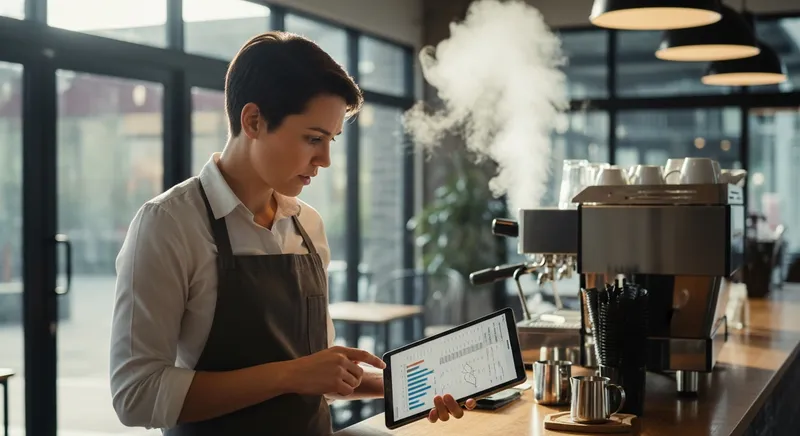
As a New Zealand business owner, you live with a constant, nagging anxiety that your hard-earned profits are secretly walking out the door. You see the numbers at the end of the month, and they don't quite add up. You're losing money but can't prove if it's from employee theft, simple waste, or honest mistakes, leaving you feeling powerless to stop it without creating a culture of distrust.
You're not alone. The Restaurant Association of New Zealand's 2024 Hospitality Report highlights the tough trading conditions facing the industry, making every dollar essential. Tackling the sensitive issue of internal theft and inventory shrinkage is no longer optional; it's critical for survival.
This guide provides 10 actionable strategies-covering procedures, staff management, and technology-to help you prevent employee theft and regain control of your bottom line.
The Silent Profit Killer: Understanding Inventory Shrinkage
'Inventory shrinkage' is the difference between the stock your records say you should have and the stock you actually have. It's a silent profit killer because it happens in small increments, often going unnoticed until it has a major impact on your restaurant's profit and loss statement.
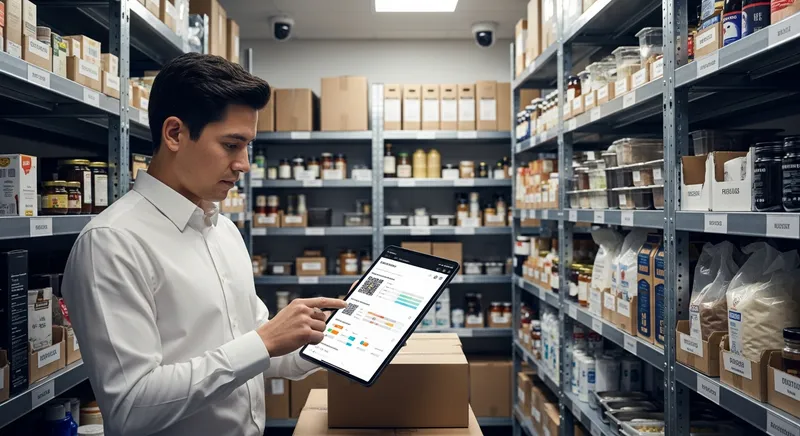
Shrinkage generally stems from three main sources:
- Operational Errors: Honest mistakes like incorrect receiving of deliveries, pricing errors, or unrecorded breakages.
- Waste and Spoilage: Food that expires, is overcooked, or is prepared incorrectly.
- Theft: The deliberate removal of cash or inventory. According to inventory specialists Sculpture Hospitality, this is a major cause of shrinkage and can include giving away free dishes, over-pouring drinks, or faking spills to pocket cash from a sale.
Common types of restaurant employee theft include 'sweethearting' (giving friends free items), till skimming (taking cash from the register), faking voids to pocket cash, and stealing physical inventory like food, drinks, or supplies.
Your 10-Point Plan to Prevent Employee Theft
Here are 10 proven methods you can implement to protect your assets and boost your bottom line.
1. Implement Ironclad Stock Control Procedures
Strong procedures are your first line of defence. Without them, tracking and proving loss is nearly impossible.
- FIFO System: Enforce a strict 'first-in, first-out' system for all stock to reduce spoilage.
- Receiving Deliveries: Staff must check every delivery against the invoice for quality and quantity, and immediately log new stock into your inventory system.
- Secure Storage: Keep storerooms, fridges, and freezers locked and limit access to key personnel.
Actionable Tip: Use a POS with a Recipe Management feature to track ingredients to the gram or millilitre. This ensures every dish uses the correct amount of high-value items (like steak or spirits) and makes discrepancies instantly visible.
2. Fortify Your Cash Handling Controls
Cash is the easiest asset to steal. As trusted advisors at ANZ Bank point out, clear processes are essential for spotting discrepancies.
- Individual Tills: Assign each staff member their own cash drawer for their shift to create individual accountability.
- Cash-Up Procedures: A manager must oversee end-of-shift cash-ups. Staff should perform a 'blind balance' (counting cash without knowing the expected total) to compare against the POS report. Log all discrepancies.
- Manager Overrides: Require a manager's unique code or swipe card for all voids, refunds, and discounts. This prevents staff from fraudulently voiding cash sales.
Actionable Tip: Use a secure drop safe for depositing large bills throughout the day. This keeps the amount of cash in the till low, reducing potential loss.
3. Use a Modern POS with Individual Staff Logins
A generic 'cashier' login creates zero accountability. When you don't know who processed a transaction, you can't identify patterns or prove misconduct.
A modern POS system is your most powerful tool. By assigning every employee a unique PIN or swipe card, you link every transaction, discount, and void directly to a specific person. This provides a clear audit trail and is the foundation of theft detection. Explore the features in today's restaurant management systems to see how this works.
Actionable Tip: Make it a non-negotiable rule that staff must never share their login details. Explain that this is to protect both them and the business.
4. Leverage Real-Time Inventory Tracking
Monthly stocktakes only tell you that a loss occurred, not when or how. A POS with real-time inventory tracking deducts stock automatically with every sale. Real-time inventory tracking immediately flags discrepancies and helps reduce food costs.
This immediately flags discrepancies. If your system shows you sold 10 steaks but inventory shows 12 are gone, you know two have vanished without a sale. This allows you to investigate a specific timeframe instead of searching for a needle in a haystack.
Actionable Tip: Use your POS to set up low-stock alerts. This not only helps monitor inventory levels closely but also automates re-ordering and prevents stock-outs.
5. Analyse POS Reports for Red Flags
Your POS system is a data goldmine for detecting unusual activity. Make a habit of regularly reviewing key reports.
- Void/Refund Reports: Look for employees with a significantly higher number of voided or refunded transactions compared to their peers.
- Discount Reports: Is one staff member giving out more discounts than everyone else?
- 'No-Sale' Reports: A high number of 'no-sale' till openings is a major red flag that the cash drawer is being opened without a transaction.
Actionable Tip: Schedule 15 minutes in your calendar each week to review these key reports. Consistency is what allows you to spot suspicious patterns early.
6. Conduct Regular, Unscheduled Audits
Supplement your full monthly stocktakes with smaller, random spot-checks on high-value items like top-shelf spirits, expensive cuts of meat, or retail products. The unpredictability of these mini-audits is a powerful psychological deterrent.
Actionable Tip: Involve different staff members in the audit process. This promotes transparency, provides cross-training, and shows that inventory control is a team responsibility.
7. Build a Culture of Accountability
Employees who feel valued and respected are less likely to steal. However, trust must be paired with accountability. Frame your control systems not as a sign of distrust, but as a professional process to protect the business and the jobs of the honest majority. When outlining procedures in your NZ restaurant business plan, focus on fairness and protection.
Actionable Tip: Share high-level goals with your team, such as targets for reducing food waste. Offer a small team bonus for hitting these targets, turning control into a shared, positive goal.
8. Secure Your Premises and Data
Physical and digital security are crucial. This includes high-quality locks on doors and storage areas. Many businesses also use CCTV cameras as both a deterrent and an evidence tool. As noted by private investigators at The Investigators New Zealand, video footage can be powerfully combined with POS data to catch fraudulent activity.
Actionable Tip: Immediately change key codes, alarm codes, and high-level system passwords after a manager or key holder leaves the business.
9. Establish Clear Waste Management Rules
A common way to hide theft is to claim a sold item was 'wasted'. To prevent this, require all waste, spoilage, and cooking errors to be recorded, ideally through your POS system's waste tracking function. When every dropped steak is accounted for, it's impossible for a staff member to sell that item, pocket the cash, and claim it was thrown out.
Actionable Tip: Where practical, use a clear bin or bag for food waste. This makes it much harder to hide stolen inventory by burying it under other rubbish.
10. Know the Legal Procedures for Employee Theft in NZ
If you suspect an employee is stealing, you must act carefully and legally. An accusation is not enough; you need solid evidence.
According to NZ law firm Lane Neave, you must follow a fair and reasonable process before taking any disciplinary action. Failure to do so could expose you to a costly personal grievance claim for unjustified dismissal, even if the theft occurred.
Actionable Tip: If you have gathered evidence and suspect theft, your first call should be to an HR specialist or employment lawyer to ensure you follow the correct legal procedure. Document absolutely everything.
Beyond Restaurants: Tips for Other NZ Businesses
These principles apply across the board:
- Cafes: Pay close attention to tracking coffee beans, milk, and takeaway cups. Set low-stock alerts in your POS for when oat milk drops below 5 litres to prevent both theft and stock-outs. A cafe loyalty programme is also key.
- Retail, Beauty & Massage: Track high-value, pocket-sized retail products. Use your inventory system to track product usage per treatment (e.g., track usage of 50ml massage oil bottles) to spot overuse or theft. A great way to boost revenue is with a NZ gift card and loyalty program.
- Food Trucks: Cash control and mobile POS systems are paramount. Use a system that can track inventory in a compact space and handle transactions quickly.
Take Control of Your Restaurant's Profitability
Combating employee theft isn't about creating a high-surveillance workplace. It's about shifting from a position of vulnerability to one of control by implementing the right systems and procedures.
Stop wondering where your profits are going. A modern POS with real-time tracking provides a transparent environment where theft is difficult to commit and easy to detect. This gives you the peace of mind to focus on what you do best: running a great business.
Book a demo to see how Lazygrid's real-time tracking can secure your restaurant's future.
Frequently Asked Questions
What is an acceptable level of inventory shrinkage for a restaurant in NZ?
Most industry experts suggest a well-managed restaurant should aim for a shrinkage rate of under 1% of total sales. A rate between 2-4% is common but indicates a clear need for better controls. A modern POS can help track these figures accurately.
How can I prove an employee is stealing?
Proof requires concrete data from your POS system. Look for patterns like one employee having significantly more voided transactions or 'no sale' till openings. Correlate this data with inventory discrepancies and, if available, security camera footage. Always consult a legal professional before taking action.
Can I dismiss an employee for theft immediately in New Zealand?
No. As legal experts at Lane Neave emphasize, NZ employment law requires a procedurally fair investigation. You must present the evidence to the employee and give them a reasonable opportunity to respond. Firing someone on the spot, even with proof, can lead to a successful personal grievance claim.
What's the best way to prevent 'sweethearting'?
'Sweethearting' (giving unauthorized freebies to friends) is best prevented with policy and technology. A POS system with individual staff logins ensures every discount is tracked to a person. When combined with real-time inventory tracking, you can quickly see if more product is leaving your shelves than is being sold.
My business is small, do I really need all these controls?
Yes. Small businesses are often the most vulnerable because they may lack formal systems. Start with the fundamentals: use a modern POS with individual logins, conduct consistent end-of-day cash balancing, and perform regular spot-checks on your most valuable items. These basic controls create a culture of accountability and can make a huge difference.
How does a POS system help with food cost control?
A POS is the central nervous system for food cost control. By linking real-time sales data to your inventory module, you can calculate the precise food cost percentage for every menu item. It also instantly highlights when your ingredient usage is higher than what has been sold, pointing directly to problems with over-portioning, waste, or theft.