
Ditch the Spreadsheet: Automating NZ Staff Tips & Commission
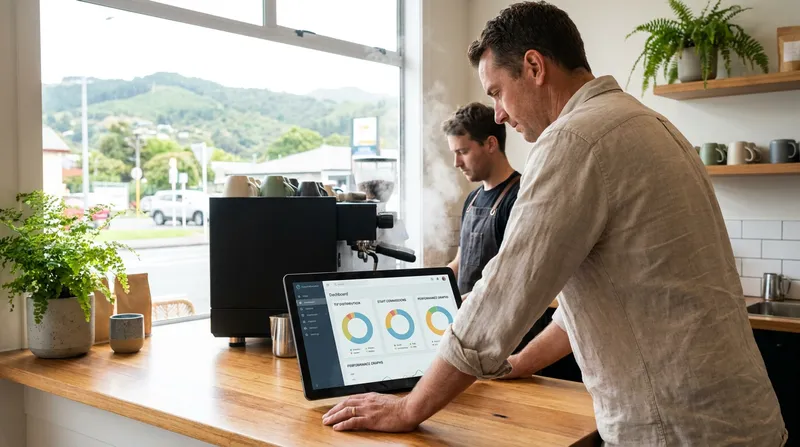
New Zealand business owners waste hours every week manually calculating staff commissions, retail splits, and tip distributions in Excel. If you run a restaurant, cafe, massage shop, beauty clinic, or food truck, you already know the drill. Sunday evening rolls around, and instead of resting, you are buried in spreadsheets trying to figure out who earned what. This manual process inevitably leads to payroll errors, compliance headaches, and staff disputes that generic, US-centric POS systems fail to resolve.
Running a hospitality or wellness business in New Zealand requires a localized approach. You need a system that tracks staff hours, sales, and commissions accurately, while giving you clean data to meet your local tax obligations. Read on to learn how to ditch the spreadsheets, track your staff commissions, manage tip splitting fairly and transparently, and streamline your payroll preparation.
The hidden cost of manual commission tracking
Many business owners view spreadsheet management as a free solution. However, the hidden costs of manual data entry are substantial. When you rely on manual end-of-shift reconciliation processes, you are paying for that time, either with your own hours or by paying an administrative assistant.
Furthermore, manual entry is prone to human error. A simple typo can result in overpaying or underpaying a staff member. Underpaying leads to distrust and high staff turnover, which is costly in the current New Zealand labor market. Overpaying eats directly into your profit margins. Global POS systems often lack the specific features needed for local businesses, which is why global POS systems can cost NZ cafes more in day-to-day administrative friction.
Moving away from spreadsheets is about reclaiming your time. By using POS software with built-in commission tracking and time-clock records that NZ hospitality and wellness businesses can rely on, you eliminate the Sunday night payroll panic.
Actionable Tip: Audit your time this week. Write down exactly how many minutes you spend calculating tips, commissions, and payroll. Multiply that by your ideal hourly rate to see the true cost of your "free" spreadsheet.
Tip pooling, tip splitting, and NZ employment law
Before you can streamline your systems, it helps to understand how tipping terminology and employment rules apply to the New Zealand market. Many global POS systems focus heavily on US tipping culture, which includes "tip credits" and sub-minimum wages. These concepts are illegal and irrelevant in New Zealand.
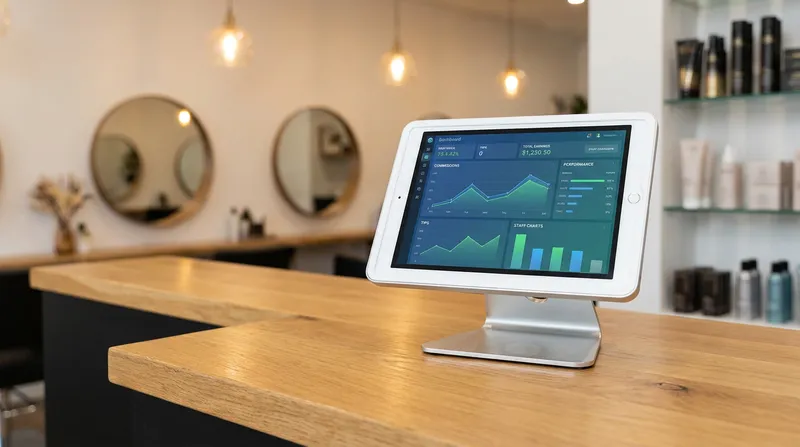
Tip Splitting: This occurs when a specific tip is allocated to the staff member who provided the service. For example, if a customer tips $10 via an EFTPOS terminal after a massage, your tipping policy can allocate that $10 to the therapist who provided the service.
Tip Pooling: This is common in cafes and restaurants. All tips collected during a shift (or a week) are pooled together and distributed among the staff, usually based on the hours worked during that specific period. Your POS time-clock records give you accurate hours worked, which makes it easier to divide a tip pool fairly.
Navigating commissions and minimum wage
When you track your commissions, your workflow must help you stay compliant with New Zealand law. The biggest mistake beauty clinic and salon owners make is assuming that commission-only staff do not need to be monitored for minimum wage compliance.
According to Employment New Zealand, employees paid on commission must still get at least the relevant minimum wage for each hour worked. If a massage therapist has a slow week and their commissions fall below the minimum wage threshold for their logged hours, you are legally required to top up their pay.
Furthermore, the way you calculate leave for commissioned staff is changing. The Ministry of Business, Innovation and Employment (MBIE) notes that the Employment Leave Act will replace the Holidays Act on 6 August 2028, requiring businesses to update payroll systems to correctly calculate leave pay for commissioned staff. Accurate sales and time records are essential for tracking average weekly earnings.
Using an automated time clock within your POS system ensures you have an exact record of hours worked, which helps protect your business during any employment audits.
Actionable Tip: Clearly define your tipping policy in your staff handbook, and require staff to clock in and out on the POS for every shift. Compare their commission earnings against their total hours weekly to ensure minimum wage compliance.
Managing service and retail commissions alongside payroll
Many modern New Zealand businesses operate on a hybrid model. A beauty clinic might offer facial services while also selling high-end skincare products. A cafe might serve flat whites but also sell bags of retail coffee beans.
Because the profit margins on a massage (mostly labor) are very different from the profit margins on a bottle of shampoo (cost of goods sold), many salons structure their incentives differently:
- Service Commission: Often a higher percentage (e.g., 30% to 50%) because the business does not have physical product costs.
- Retail Commission: Often a lower percentage (e.g., 5% to 10%) to incentivize upselling products without hurting your retail profit margins.
Lazygrid's staff logins and commission tracking show which staff member made each sale, giving you the visibility needed to reward your team accurately.
Handling variable pay and tax obligations
Once you have your commission and tip figures from your POS reports, they need to be entered into your payroll software. When you pay out staff commissions or employer-collected tips, this is considered "variable pay" by Inland Revenue (IRD). You cannot simply hand staff cash from the till at the end of the night for EFTPOS tips or commissions without recording it.
According to Inland Revenue (IRD), if PAYE isn't deducted correctly from commissions or employer-paid tips, IRD can charge shortfall penalties of 20% to 40% of the unpaid tax for carelessness, rising to 150% for evasion.
In addition to PAYE, Inland Revenue (IRD) requires that employers must also deduct Employer Superannuation Contribution Tax (ESCT) from their KiwiSaver contributions, at a rate of 10.5% to 39% based on each employee's previous-year earnings.
If your POS provides clear staff sales, commission, and tip reports, your bookkeeper can easily enter those totals as variable pay in your payroll software (such as Xero Payroll), which then calculates the required PAYE, KiwiSaver, and student loan deductions.
Actionable Tip: Use your POS reports to review staff commissions and electronic tips at the end of each pay period, and enter them into the appropriate variable pay categories in your payroll software for compliant tax deductions.
Streamlining end-of-shift reconciliation and staff permissions
To track commissions accurately, your POS system must know who performed the service or made the sale. This requires clear role-based permissions.
Lazygrid POS lets you add staff sub-accounts (2 on the Standard plan, 4 on Premium), so each logged-in staff member's transactions are tied to their profile. This is valuable for tracking employee performance in a beauty clinic or cafe, allowing you to review reports to see who your top performers are and who might benefit from more sales training.
Role-based permissions let you control what each staff login can do. Having structured access controls and intuitive workflows is also why iPad restaurant POS software cuts staff training time for growing businesses.
Your end-of-shift workflow
Closing the till at the end of the day should take five minutes, not fifty. Here is how a modern POS system streamlines your end-of-shift reconciliation:
- Staff Clock Out: Employees use the POS time clock to end their shift.
- Sales Report Review: The manager reviews the end-of-day sales report, including the cash and card breakdown.
- Tip Pool Preparation: For cafes using a tip pool, the POS time-clock records give you accurate hours worked, which makes it easier to divide a tip pool fairly.
- Commission Tracking: For salons and clinics, the POS logs staff sales and commissions so managers can review performance.
- Cloud Sync: The data is saved securely to the cloud, ready for reporting.
Whether you are running a busy coffee shop and need the best cafe POS in NZ to track beans and milk or a boutique day spa, this workflow reduces manual errors and helps you pay your staff fairly and accurately.
Actionable Tip: Avoid using a single generic register login for your whole team. Set up sub-accounts with role-based permissions so sales and commissions are attributed to the right staff profiles, and share performance updates regularly to encourage healthy sales competition.
Conclusion
Ditching the spreadsheet is not just about getting your Sunday nights back. It is about reducing manual admin, avoiding payroll mistakes, and preventing staff disputes. By using a POS system with built-in time clocks, tipping support, and commission tracking, you create a transparent environment for your team and simplify the handover to your payroll software.
Whether you are managing massage therapy staff commissions or cafe tip distributions, modern cloud-based technology gives you the visibility you need to run your business smoothly.
Ready to simplify your daily operations? Explore how Lazygrid POS can help you track staff hours, sales and commissions.
Frequently asked questions
How do you calculate staff commission for a salon in New Zealand?
Staff commission in NZ is calculated by applying an agreed percentage to the service or product sales made by an employee. A modern POS system tracks staff sales via their individual account login and logs their commissions. Employers must then check that the employee's total pay (base plus commission) meets or exceeds the NZ minimum wage for the total hours worked.
Is tip splitting legal in New Zealand hospitality businesses?
New Zealand has no specific law on tips, so how you allocate them is up to you and your employment agreements. When tips are paid to staff through the business (for example, EFTPOS tips), run them through payroll so PAYE applies. Cash tips that staff receive directly are their own responsibility to declare.
How do I use POS commission data with payroll software like Xero?
Use your cloud-based POS system to track staff hours, tips, and commission totals for the pay period. Your manager or bookkeeper can then take those end-of-period figures from your POS reports and enter them into the corresponding variable pay categories in your payroll software, ensuring PAYE and KiwiSaver deductions are calculated properly.
What is the difference between tip pooling and tip splitting?
Tip splitting allocates a specific tip to the individual employee who served the customer, which is common in massage shops and beauty clinics. Tip pooling gathers all tips collected during a shift or week and distributes them among eligible working staff (often based on the hours they worked), a method widely used in cafes, restaurants, and food trucks.
How does a POS system track staff sales and commissions?
Lazygrid's staff logins and commission tracking show which staff member made each sale. By assigning staff to their own sub-account logins with role-based permissions, managers can easily view sales performance and commission records without tallying paper receipts by hand.