
Reduce Staff Turnover in NZ: Use POS Data to Retain Teams
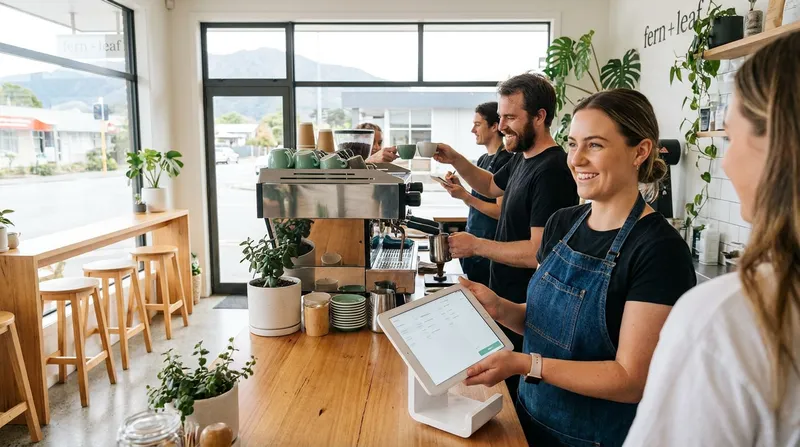
Are you working grueling 80-hour weeks just to cover shifts because another team member quit unexpectedly? For many New Zealand hospitality owners, the constant cycle of recruiting, hiring, and training feels like a never-ending treadmill. Just when you get a new barista or server up to speed, they leave for a competitor, taking your investment of time and money with them.
This high turnover rate drains your profits, exhausts your remaining team, and ultimately impacts the customer experience. But it does not have to be this way.
By leveraging the technology you already use every day, you can build a workplace where good employees want to stay. In this guide, we will show you how to use modern POS data to identify your top performers, manage fair schedules, and financially incentivise your best team members to stick around.
The True Cost of High Turnover in NZ Hospitality
If you want to reduce restaurant staff turnover across NZ, you first need to understand the true financial impact it has on your business. Many owners underestimate the silent costs associated with losing a trained employee.
When a staff member leaves, you are not just losing a pair of hands. You are losing their speed, their knowledge of your menu, and the relationships they have built with your regular customers. The financial hit is staggering. Research from ResearchGate shows that the estimated cost of employee turnover in New Zealand is three times the departing employee's salary.
Furthermore, finding a replacement is becoming increasingly expensive. According to a report highlighted by 1Team, the average cost to hire a new recruit in New Zealand is $23,860, and it takes an average of 40 days to fill an open position. During those 40 days, your existing staff are stretched thin, leading to a drop in service quality and an increased risk of further resignations.
| Cost Factor | Estimated Financial Impact |
|---|---|
| Average Hiring & Training Cost | $23,860 per employee |
| Lost Productivity & Knowledge | Up to 3x departing salary |
| Data-Driven Retention Bonus | $50 - $100 per month |
| ROI of Retention | Massive Savings |
Actionable Tip: Take 15 minutes today to calculate your own business's annual turnover cost. Multiply the number of staff who left last year by their average training cost and lost productivity. Seeing the exact financial leak in your business is the best motivation to prioritise retention strategies.
Why Restaurant and Cafe Staff Leave: Burnout and Bias
To improve staff retention across New Zealand, we have to look honestly at why employees walk out the door. While wages are always a factor, the day-to-day work environment plays a massive role in hospitality employee retention.
The New Zealand hospitality sector is notorious for high stress, especially during peak hours. When staff feel overworked and undervalued, burnout is inevitable. Data from MyHR reveals that hospitality and food services in New Zealand experience a turnover rate of just over 88 percent, with 57 percent of Kiwi workers falling into the high-risk category for burnout.
Beyond the physical exhaustion, subjective management practices often push good employees away. If performance reviews are based on a manager's gut feeling rather than hard facts, staff can perceive favouritism. A survey from the Restaurant Association of New Zealand highlights that persistent issues like pay disparities, burnout, and inconsistent access to rest breaks are primary drivers of staff dissatisfaction.
If you want to keep your best people through the chaos of the breakfast rush, you need proper systems in place. Upgrading to the best cafe POS NZ like Lazygrid can streamline operations and reduce the manual stress placed on your team.
Actionable Tip: Survey your current team anonymously using a free tool like Google Forms. Ask them specific questions about their frustrations regarding shift allocation, rest breaks, and how recognised they feel for their hard work.
Utilising POS System Staff Performance Tracking for Objective Reviews
One of the most effective ways to eliminate bias and boost morale is by utilising POS system staff performance tracking. When you use hard data to evaluate your team, performance reviews shift from subjective opinions to objective, constructive conversations.
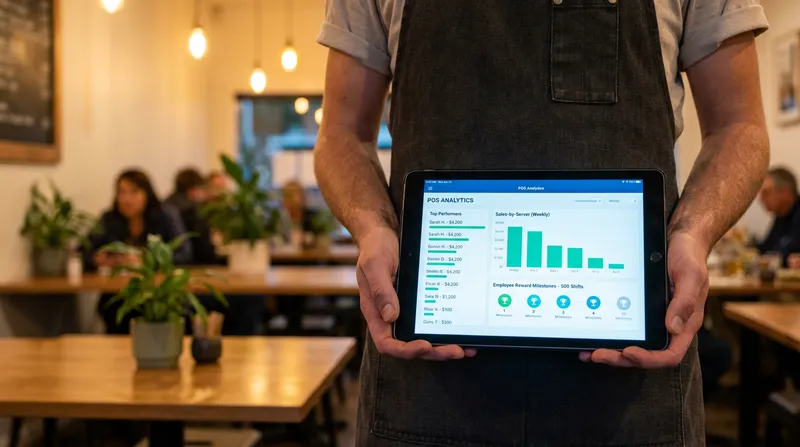
Modern point-of-sale platforms excel at this. For example, Lazygrid's Staff Management features allow you to set up individual staff sub-accounts with secure PIN logins. This means every transaction, order modification, and table turned is tracked back to the specific individual who processed it. By generating built-in staff sales performance reports, you can monitor exactly who is excelling and who needs additional support.
Here are the key metrics you should be tracking:
- Average Transaction Value (ATV): Identifies which staff members are naturally good at upselling sides, drinks, or desserts.
- Table Turn Speed: Highlights servers who efficiently manage their sections without rushing guests.
- Void or Error Rates: Pinpoints staff who might be rushing order entry and causing kitchen bottlenecks.
By tracking these metrics, you can also identify when staff are overwhelmed. Implementing technology like self-ordering systems can take the pressure off your front-of-house team during peak hours, allowing them to focus on customer service rather than just order taking.
Actionable Tip: At the end of this month, pull a sales report by employee from your POS dashboard. Identify your top two upsellers and ask them to share their techniques with the rest of the team during your next staff meeting.
Creating Fair Schedules with Staff Roster Software
Burnout is the enemy of retention. Unfair scheduling, back-to-back closing and opening shifts (the dreaded clopens), and chronic understaffing are surefire ways to lose your best workers. This is where data-backed scheduling comes into play.
Fair scheduling prevents burnout by ensuring an even distribution of busy shifts and adequate rest periods. Instead of guessing how many staff you need on a Tuesday night, you can use historical sales data and forecasting tools included in platforms like Lazygrid Premium to accurately predict busy periods. This ensures you are never paying staff to stand around during quiet times, and more importantly, you are never leaving a skeleton crew to manage an unexpected rush.
When your scheduling is informed by an all-in-one system, you gain complete visibility over labour costs and staff well-being. Furthermore, clear communication between the front of house and the kitchen is vital for a stress-free shift. Implementing tools like Kitchen Display Systems eliminates the chaos of lost paper tickets, making the working environment significantly better for your team.
Actionable Tip: Cross-reference your hourly sales data from the past month with your current roster. Look for any hours where sales spiked but staffing levels were low, and adjust your future schedules to provide adequate cover during those specific windows.
Designing Employee Reward Programs Using POS Data
Once you have objective data tracking in place, you can build employee reward programs hospitality staff actually care about. A performance-based bonus structure that uses transparent data removes all accusations of favouritism and drastically improves team morale.
Hospitality staff retention strategies do not always have to mean massive pay raises. Often, targeted incentives based on clear goals work just as well. You can tie rewards directly to profitable actions, such as selling high-margin menu items or achieving a week with zero order entry errors. You can even leverage features like Lazygrid's Loyalty Programme to understand which items are most popular with regulars, making them easier for staff to upsell.
Consider offering different types of incentives based on what your staff values most:
- Financial Bonuses: A percentage cut of the upsell revenue they generate. For instance, if your top upseller generates $600 a month in additional margin, a $60 monthly bonus costs far less than the $23,860 average replacement cost. This makes retention bonuses one of the highest-ROI investments you can make.
- Prime Shift Selection: Allowing top performers first pick of the most lucrative weekend shifts.
- Extra Paid Time Off: Rewarding consistent, error-free work with additional rest days.
Understanding your profit margins is essential before launching a financial reward system. Check out our guide on menu engineering to ensure you are incentivising the right dishes.
Actionable Tip: Launch a 'Dish of the Month' contest. Choose a high-margin item (like a specific cocktail or dessert) and track which staff member sells the most using their POS login. Reward the winner with a tangible prize, like a $100 grocery voucher or a paid day off.
How to Manage Restaurant Labour Costs While Keeping Staff Happy
Many owners hesitate to implement reward programs because they are trying to manage restaurant labour costs tightly. The fear is that offering bonuses or extra perks will inflate labour expenses beyond profitability.
However, the math proves otherwise. Retaining experienced staff actually lowers your overall labour costs. Experienced team members work faster, make fewer mistakes, waste less inventory, and completely eliminate the massive cost of hiring and training a replacement.
To balance the budget while funding these rewards, look at the administrative side of your business. If you are paying for separate, disconnected scheduling tools, POS systems, and HR platforms, you are wasting money. Consolidating your technology into a single platform reduces administrative hours spent on manual payroll and scheduling. Finding the right hospitality POS can cut your software subscription costs while providing all the staff management features you need.
Actionable Tip: Audit your current technology stack this week. List every software subscription you pay for monthly (POS, scheduling, loyalty, reservations). If you are paying for redundant tools that could be consolidated into an all-in-one system, redirect those savings directly into your staff reward fund.
Conclusion: Build a Loyal Team with Smart Technology
Reducing hospitality staff turnover does not require guesswork or relying on generic HR advice. By utilising your POS system's data, you can remove bias from performance reviews, ensure fair scheduling, and create a transparent environment where hard work is objectively recognised and rewarded.
Remember, investing a little extra in your current team through data-driven incentives is far cheaper and more profitable than constantly paying the high price of recruiting new staff.
Ready to see how Lazygrid can help you retain your best team? Start a free trial today or compare the best restaurant POS features to find the right tools to support your staff and grow your New Zealand hospitality business.
Frequently Asked Questions
How can a POS system help reduce restaurant staff turnover in NZ?
A modern POS system provides objective, real-time data on individual staff performance. This allows owners to recognise and reward top performers fairly, eliminating bias and favouritism, which significantly boosts team morale and retention.
What are the most important POS metrics for staff performance tracking?
The key metrics to monitor include average transaction value (which shows upselling ability), table turn times (which indicates efficiency), and order void or error rates (which highlights accuracy and training needs).
How much does employee turnover cost a hospitality business in New Zealand?
Industry statistics show that losing a staff member can cost up to three times the departing employee's salary. Furthermore, the average cost to recruit, hire, and train a new employee in New Zealand is estimated at $23,860.
What are effective employee reward programs for hospitality staff?
Effective programs use data-driven incentives. Examples include financial bonuses for the highest average order value, offering prime shift selection for perfect attendance, and providing tangible rewards for selling the highest volume of high-margin menu items.
Can staff roster software actually prevent employee burnout?
Yes. By using historical POS sales data to accurately forecast busy periods, roster software ensures you always have adequate staffing levels. This prevents chronic understaffing during rushes and helps enforce mandatory rest periods between shifts, directly combating burnout.