
Zero-Waste Kitchens: How NZ Venues Cut Food Waste & COGS
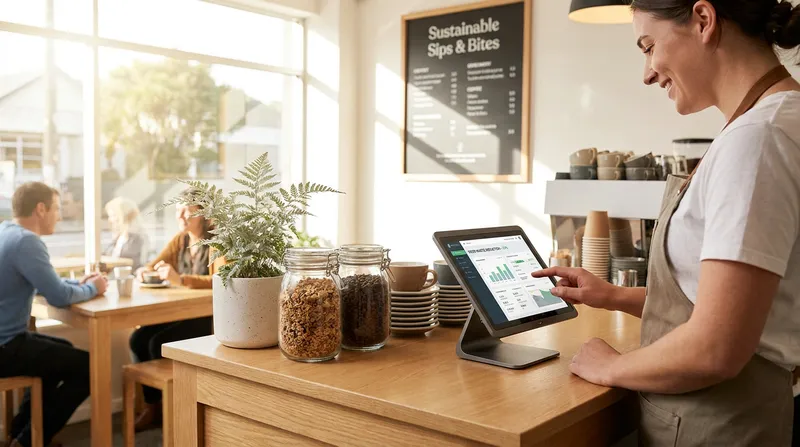
Rising food inflation is squeezing hospitality profit margins tighter than ever before. For venue owners across New Zealand, there is nothing more painful than watching expensive, unused ingredients get thrown in the bin at the end of a busy week. This spoilage is usually the direct result of inaccurate manual ordering and poor demand forecasting. Throwing away food means throwing away hard-earned profit.
With sustainability becoming a key factor for Kiwi diners, reducing food waste is no longer just an ethical choice. It is a strict financial imperative. If you are still relying on a clipboard and a spreadsheet to manage your cool room, you are missing out on the automated tools that modern hospitality technology provides.
This guide moves beyond basic stock counting. We will show you how ingredient-level tracking, recipe management, and automated alerts can drastically slash your Cost of Goods Sold (COGS) while providing a powerful marketing narrative for your brand.
The Invisible Cost of Kitchen Waste
Commercial kitchen food waste reduction is one of the most overlooked opportunities for increasing profitability in the hospitality sector. Many venue owners accept a certain level of spoilage as the standard cost of doing business. However, the sheer volume of this waste is staggering when you look at the national data.
According to research from the University of Otago and WasteMINZ, New Zealand cafes and restaurants generate over 24,000 tonnes of food waste annually. The most alarming part of this statistic is that 61 percent of this waste is completely avoidable. This avoidable waste consists of spoiled produce, over-prepared batches, and ingredients that expired before they could be plated.
For a small cafe or a bustling food truck, these numbers represent a massive leak in revenue. A modern POS system acts as your secret weapon to plug this leak. By turning your sales data into actionable inventory insights, you can stop guessing what your kitchen needs and start ordering with pinpoint accuracy.
Why Reducing Food Waste is a Financial Priority
To truly understand the impact of food waste, you have to look at how it directly inflates your Cost of Goods Sold. Every time an ingredient goes into the bin, your COGS percentage creeps higher, shrinking your gross profit margin.
Data from the Restaurant Association of New Zealand through their Kai Keepers Initiative provides a sobering financial metric. Their research reveals that food waste costs New Zealand hospitality businesses approximately $0.94 per cover. Furthermore, preparation waste and ingredient spoilage account for 57 percent of all waste generated in commercial kitchens.
Let us break that down for a mid-sized Auckland restaurant doing 150 covers a day. At $0.94 per cover, that venue is losing $141 every single day to food waste. Over a standard operating year, that equates to more than $50,000 of lost profit. If you want to successfully reduce COGS hospitality NZ style, you must start treating your inventory with the exactness you apply to your cash register.
What Eco-Conscious Kiwi Diners Actually Want
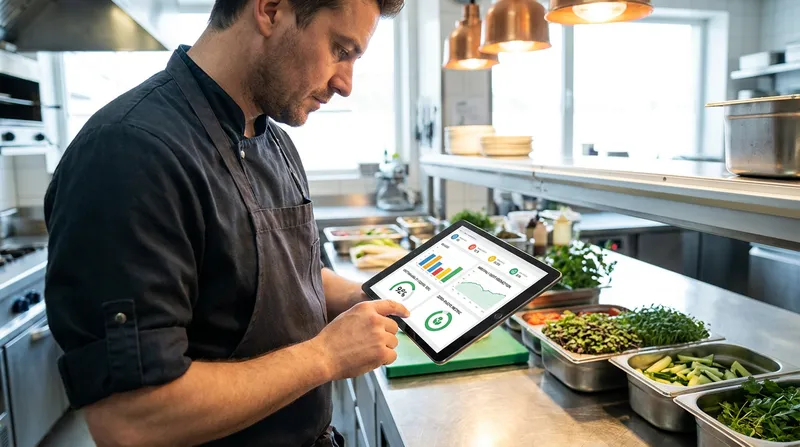
Beyond the back-of-house financial savings, there is a massive front-of-house marketing benefit to running a zero-waste kitchen. Sustainable cafe operations are highly attractive to modern consumers.
A recent Consumer Pulse Report by CGA by NIQ confirms this trend, showing that 42 percent of New Zealand consumers actively consider a venue's sustainability or ethical credentials when deciding where to eat and drink. Eco-friendly restaurant practices are no longer a niche trend. They are a core expectation for a large segment of your customer base.
When you use data to minimise your environmental footprint, you create a compelling story to share on your social media channels. Highlighting your commitment to zero-waste practices builds immense brand loyalty, helping you attract diners who are happy to support businesses that align with their personal values.
Ditch the Spreadsheet: Upgrade Your Restaurant Stock Control System
Manual inventory counting is deeply flawed. Sending a tired chef into the walk-in fridge with a clipboard at 11:00 PM guarantees human error. By the time those numbers are entered into a spreadsheet the next morning, the data is already out of date. This lag time leads to panic ordering, overstocking, and inevitable ingredient spoilage.
Upgrading to a cloud-based restaurant stock control system changes everything. Modern restaurant inventory management software allows owners and managers to track stock levels from anywhere in the world. Whether you are at home or visiting a supplier, you have real-time visibility into exactly what is sitting on your shelves.
Cloud-based systems end the guesswork. They automatically deduct ingredients as dishes are sold, giving you a live picture of your inventory. If you are tired of manual data entry and constant miscalculations, read our guide on The POS Trap: Why NZ Venues Are Switching to iPad POS to see how intuitive modern software has become.
5 Steps to Reduce Food Waste Using POS Data
Technology is only as useful as the processes you build around it. Here are five actionable steps you can implement this week to learn exactly how to reduce food waste in restaurants using your existing POS data.
Step 1: Conduct a POS-Driven Food Waste Audit
You cannot fix a problem you have not measured. The first step in hospitality waste management is conducting a comprehensive food waste audit.
Instead of just looking at what is in your bins, use your POS sales data to compare what was sold against what was prepped. If your kitchen prepped 50 portions of pork belly but your POS shows only 30 were sold, you immediately identify a 20-portion gap. Lazygrid's reporting dashboard automates this waste tracking, surfacing weekly waste totals without manual calculation.
Actionable Tip: Create a custom "Waste" tracking button on your POS interface. Train your staff to ring in every dropped meal, spilled drink, or spoiled batch of produce using this zero-dollar button. At the end of the week, run a report on this specific button to see exactly where your money is bleeding. According to Hospitality Business Magazine, businesses taking a structured, data-driven approach to food waste have successfully reduced waste sent to landfill by up to 85 percent.
Step 2: Implement Real-Time Ingredient Tracking
Selling a burger is not just selling one item. You are selling a bun, a beef patty, two slices of cheese, a handful of lettuce, and a pump of sauce. Real-time ingredient tracking POS features, like those built directly into Lazygrid's inventory management tools, allow you to build these exact recipes into your software backend.
Every time front-of-house rings up a burger, the system automatically deducts those specific fractional amounts from your master inventory. This prevents the dangerous habit of over-ordering highly perishable items like fresh produce and dairy.
Actionable Tip: To make this process foolproof, connect your ingredient tracking directly to your kitchen screens. You can learn exactly how to set this up by reading our Allergy-Proof Your NZ Kitchen: POS & KDS Integration Guide. When the kitchen follows the exact digital recipe prompts, portion control becomes standardised, eliminating the "heavy-handed" plating that secretly drains your inventory.
Step 3: Set Up Automated Low-Stock Alerts
One of the biggest causes of food waste is the "panic buy". A manager notices you are running low on a crucial ingredient during a lunch rush and hastily orders double the usual amount from a supplier to ensure you do not run out again. Half of that bulk order ends up expiring in the fridge.
Automated low-stock alerts solve this problem completely. Your POS system monitors your live ingredient levels and sends a push notification to your phone the moment an item drops below a predetermined threshold.
Actionable Tip: Do not set alerts for every single item in your kitchen, as this will cause notification fatigue. Instead, analyze your POS data to identify your top 20 percent most critical and highly perishable ingredients. Set strict "par levels" (minimum stock requirements) for these specific items based on your historical daily sales data.
Step 4: Master FIFO Inventory Management
FIFO inventory management stands for "First In, First Out". It is the golden rule of commercial kitchens, ensuring that older ingredients are always used before newer deliveries. While this sounds simple in theory, it is incredibly difficult to manage during a chaotic dinner service.
Your POS data is the ultimate tool for enforcing FIFO. By tracking the exact dates of your purchase orders against your daily sales velocity, your software can highlight which ingredients are sitting stagnant on your shelves.
Actionable Tip: Run a "slow-mover" report on your POS every Thursday morning. Identify the fresh ingredients that are approaching their expiration dates. Give this list to your head chef and task them with creating a high-margin weekend special specifically designed to use up these aging ingredients before they spoil.
Step 5: Leverage Pre-Ordering for Accurate Forecasting
Unpredictable foot traffic is the enemy of accurate prep work. If it rains unexpectedly in Wellington, your cafe might see half its usual morning customers, leaving you with dozens of unsold pastries.
Digital pre-ordering gives your kitchen exact production numbers before the shift even begins. For a busy Auckland lunch cafe, encouraging customers to pre-order by 10:00 AM via your branded online ordering page gives your kitchen a guaranteed production list.
Actionable Tip: Launch a branded online ordering page and incentivise your regular customers to place their lunch orders early. If you operate a mobile business, check out our guide on Commission-Free Pre-Ordering for NZ Food Trucks to see how pre-sales can eliminate your end-of-day waste entirely.
Training Staff to Champion Zero-Waste Practices
The most advanced technology in the world will fail if your team does not use it correctly. Staff engagement is the final, critical piece of the puzzle. You need your front-of-house team to accurately log waste, and your back-of-house team to religiously follow digital recipes and FIFO rules.
The best way to get staff on board is to show them the data. When employees understand the actual dollar value of the food going into the bin, their behavior changes.
Actionable Tip: Gamify your waste reduction. Use your POS reporting to track weekly waste totals. If the kitchen team manages to keep waste below a certain financial threshold for the month, reward them with a team dinner or a bonus. Tying technology to team culture is a proven strategy for success, which we cover deeply in our article on how to Reduce Staff Turnover in NZ: Use POS Data to Retain Teams.
Conclusion: Turn Kitchen Waste into Profit
Transforming your venue into a zero-waste operation is not an overnight process, but the financial rewards are immediate. By utilising a modern restaurant stock control system, you can drastically lower your COGS, improve your profit margins, and create an eco-friendly brand image that resonates with Kiwi diners.
Stop relying on guesswork and manual spreadsheets. A smart POS system is an investment that quickly pays for itself in saved inventory alone. If you are ready to take control of your kitchen costs, explore how Lazygrid's inventory management tools can help, or get in touch with our team to see it in action.
Frequently Asked Questions
How do you calculate food waste percentage in a restaurant?
To calculate your food waste percentage, use this simple formula: divide the total value of your wasted food by your total food sales, then multiply by 100. Modern POS reporting automates this calculation for you, allowing you to track this critical metric in real-time without doing the manual math.
What is the best restaurant inventory management software in NZ?
The best software is one that integrates directly with your front-of-house POS system. Standalone inventory apps require double data entry. Solutions like Lazygrid offer an all-in-one platform where every front-of-house sale automatically updates your back-of-house stock levels, making it ideal for local NZ venues.
How does FIFO inventory management reduce spoilage?
First In, First Out (FIFO) ensures that your staff always reach for the oldest ingredients first. By organizing your cool room so that new deliveries are placed behind existing stock, you prevent older items from being pushed to the back and expiring out of sight.
Can automated low-stock alerts really save money?
Absolutely. Automated alerts prevent the costly habit of over-ordering. By notifying you exactly when an item hits its minimum par level, you only buy exactly what you need. This keeps your cash flow in your bank account rather than tying it up in highly perishable stock that might spoil.
How can food trucks manage food waste effectively?
Food trucks face unique challenges due to extremely limited storage space. The most effective strategy is utilising digital pre-ordering systems combined with strict daily par levels based on POS forecasting. This ensures the truck only carries the exact amount of food needed for that specific day's guaranteed sales.