
How to Start a Food Truck in NZ: Business Plan, Costs & Council Requirements
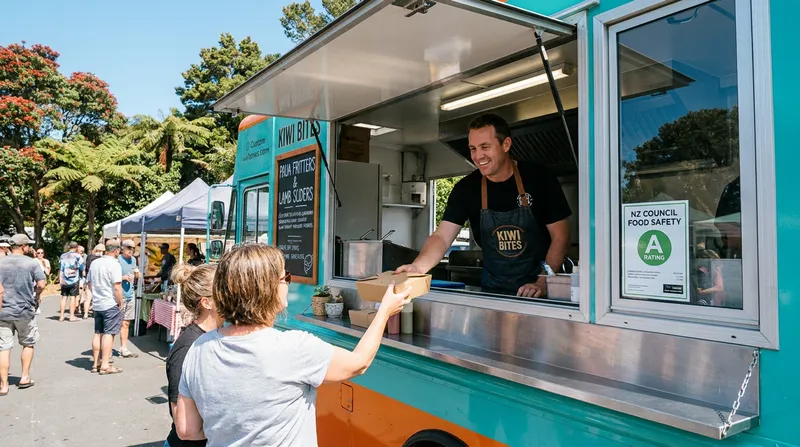
Starting a food truck in New Zealand is a dream for many hospitality professionals. You get the freedom to take your culinary creations on the road, serve different communities, and avoid the crippling overhead of a traditional brick-and-mortar restaurant lease. However, the setup process can feel overwhelming, especially when compliance costs and council rules vary so much by region.
Aspiring food truck owners in New Zealand often struggle with local bureaucracy. Between hidden compliance costs like Electrical Warrants of Fitness (EWOF), gas certificates, complex Ministry for Primary Industries (MPI) food safety rules, and varying local council permits, the startup process can quickly drain your budget and delay your launch.
This comprehensive guide will walk you through exactly how to start a food truck in NZ. We will cover everything from writing your initial business plan and calculating setup costs to navigating council regulations and choosing the right technology to keep your lines moving fast.
Step 1: Crafting Your Food Truck Business Plan
A great menu is not enough to guarantee a profitable business. Before you look at vehicles or buy equipment, you need a rock-solid business plan. This document is essential for securing funding from banks or investors, and it serves as your roadmap to profitability.
According to the official government guidelines at business.govt.nz, a robust business plan helps you define your target market, understand your competitors, and outline your financial projections. For a mobile food business, your plan must detail where you intend to trade, what events you will target, and how you will market your brand to local foodies.
If you already own a restaurant, a cafe, a bakery, or a catering business, a food truck is an incredible way to expand your existing brand footprint. Many established hospitality owners use a mobile unit as a catering vehicle for weddings or corporate events, which provides a lucrative secondary revenue stream. Once you are trading, implementing a digital loyalty programme can turn one-time festival visitors into regulars at your weekly market spot. Expanding your operations requires careful planning, so be sure to read our Multi-Location POS Systems: The NZ Scaling Guide for insights on managing multiple business fronts.
Actionable Tip: Spend a weekend visiting popular local food truck parks and farmers markets. Take notes on which trucks have the longest lines, what their average price point is, and how fast they serve customers. Find a gap in the market (like a specific cuisine or dietary niche) that your local competitors are missing.
Step 2: Calculating Food Truck Setup Costs in NZ
One of the most common questions from aspiring vendors is about the cost to start a food truck in NZ. The truth is that setup costs vary wildly depending on whether you are buying a brand new custom build or retrofitting a used trailer.
If you decide to buy a new custom-built food truck, you can expect to spend anywhere from $70,000 to over $120,000 NZD. This premium price tag ensures that all your equipment is under warranty and the layout is designed specifically for your menu. On the other hand, purchasing a used food trailer or retrofitting a second-hand van can cost between $30,000 and $60,000 NZD. While this is more affordable upfront, you must budget for potential mechanical repairs and compliance upgrades.
Many new owners are caught off guard by hidden setup costs. You must factor in vehicle branding, initial food inventory, specialized commercial vehicle insurance, and marketing materials.
Estimated Setup Costs Summary
| Expense Category | Estimated Cost (NZD) |
|---|---|
| Used Trailer or Retrofit | $30,000 to $60,000 |
| New Custom Build | $70,000 to $120,000+ |
| Vehicle Branding and Wrap | $3,000 to $6,000 |
| POS Hardware Package | $1,000 |
| Contingency Budget | 20% of total setup costs |
Actionable Tip: Create a strict 20% contingency budget specifically for unexpected compliance upgrades. When buying a used food truck in NZ, you will almost certainly need to spend money updating the electrical wiring, replacing old gas lines, or upgrading the ventilation system to pass current council inspections.
Step 3: Navigating NZ Council Regulations and Licences
Operating a mobile food business in New Zealand requires specific permits. You cannot simply park your truck on a busy street corner and start selling food. You must obtain a mobile trading licence from your local council, and the rules vary drastically from region to region.
For example, the Auckland Council has strict zoning regulations regarding where mobile traders can operate. You must apply for a specific Auckland Council food truck licence, pay an annual fee, and adhere to rules regarding noise, waste disposal, and operating hours. If you plan to travel and sell food in different cities, you will need to apply for a separate mobile trading licence in every single council jurisdiction you visit.
Private events, such as music festivals or private weddings, do not usually require a public street trading licence. However, the event organizer will still require proof of your food safety registration and public liability insurance. Public liability insurance protects your business if your operations cause injury to a member of the public or damage to property, and a standard coverage amount of $2M to $5M is typical for NZ food vendors.
Actionable Tip: Contact your local council's environmental health officer before you buy a truck or finalize your menu. Ask them for a map of approved mobile trading locations and a breakdown of their specific licensing fees. Building a relationship with your local health officer early on will make the inspection process much smoother.
Step 4: Compliance, MPI Food Safety, and Kitchen Requirements
Food safety is the most critical compliance hurdle you will face. Under the Food Act 2014, the Ministry for Primary Industries (MPI) requires all food businesses to operate under a specific safety framework. Depending on what you are cooking, you will fall under a Food Control Plan (for high-risk foods like raw meat and seafood) or a National Programme (for lower-risk operations like coffee carts or pre-packaged foods).
Once registered, you will undergo regular audits by an independent, MPI-recognized verification agency like AsureQuality. The verifier will inspect your truck, review your temperature logs, and ensure you are following your safety plan.
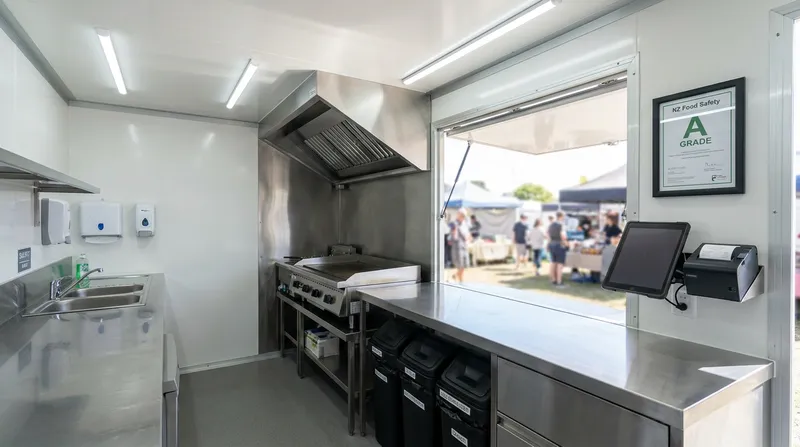
Because your food truck is essentially a commercial kitchen on wheels, it must meet strict layout requirements. Standard regulations dictate a separate handwashing sink with hot and cold running water, completely distinct from your dishwashing sink. Surfaces must be made of smooth, impervious materials like stainless steel. Adequate mechanical ventilation is mandatory if you are cooking with gas or deep fryers.
Beyond hygiene, you must pass rigorous utility safety checks. Before you can legally plug your truck into a power source, you must possess a current Electrical Warrant of Fitness (EWOF). Similarly, if you use gas fryers or grills, a licensed gasfitter must inspect your setup and issue a Gas Safety Certificate.
Actionable Tip: Do not guess which safety plan you need. Go to the MPI website and use their "My Food Rules" online tool. By answering a few simple questions about your menu and preparation methods, the tool will tell you exactly which food safety plan you must register for.
Step 5: Choosing the Right POS System for Mobile Trading
When you have a line of 30 hungry customers at a weekend festival, your technology cannot fail. Food trucks need a specific type of Point of Sale (POS) system designed for speed, reliability, and compact spaces.
Traditional, bulky cash registers take up too much valuable counter space and lack the modern features needed to run a profitable mobile business. A cloud-based solution like Lazygrid POS runs seamlessly on an iPad, giving you a compact, incredibly fast interface that your staff already knows how to use.
Crucially, your food truck POS must have a robust offline mode. Food festivals and remote markets often have terrible internet connectivity. Lazygrid's offline mode keeps you taking orders even when festival Wi-Fi drops out, and your data syncs automatically when you reconnect. This ensures you never miss a sale due to a poor connection.
Actionable Tip: Choose a cloud-based POS that integrates directly with NZ payment gateways. Lazygrid integrates seamlessly with EFTPOS NZ, eliminating the need to manually type amounts into the terminal. This saves you 5 to 10 seconds per order, which translates into serving more customers and making more money over a busy lunch rush. Learn more in our guide on Cloud POS for NZ Restaurants: End Kitchen Chaos & Tablet Hell.
Conclusion
Starting a food truck in New Zealand is a thrilling venture that requires careful planning, a solid budget, and a lot of patience with local bureaucracy. From writing your initial business plan to securing your MPI food registration certificate and passing your EWOF inspection, the setup phase is heavy on paperwork.
However, once you navigate the council regulations and hit the road, the freedom of running a mobile business is incredibly rewarding. By choosing the right equipment, designing an efficient layout, and utilizing modern technology, you can build a highly profitable hospitality brand.
If you are ready to set up your mobile culinary business, ensure you have the right technology backing you up. Lazygrid's Starter Package includes everything you need (an iPad, an Xprinter wireless printer, and a cash drawer) for just $999. Discover how to streamline your operations and keep your lines moving fast by exploring our Lazygrid POS features or reading our guide on iPad POS NZ: Manage Bookings, Sales & Stock (2026).
Frequently Asked Questions
How much does it cost to start a food truck in NZ?
The cost typically ranges from $30,000 to over $120,000 NZD. Buying a used trailer or retrofitting an older van sits at the lower end of the spectrum, while purchasing a brand new custom-built truck will cost significantly more. Always factor in an extra 20% for hidden compliance fees, branding, and initial inventory.
Do I need a Food Control Plan or a National Programme?
It depends entirely on the risk level of the food you are preparing. High-risk activities, such as cooking raw poultry, meat, or seafood, require a comprehensive Food Control Plan. Lower-risk operations, like selling pre-packaged goods, making coffee, or scooping ice cream, usually fall under a National Programme.
What is a mobile trading licence and how do I get one?
A mobile trading licence is a mandatory permit required by local councils that allows you to sell goods in public spaces. Because rules, approved locations, and fees vary widely by region, you must contact your specific local council (such as the Auckland Council or Wellington City Council) to apply for a licence in their jurisdiction.
What is an EWOF and why does my food truck need it?
An Electrical Warrant of Fitness (EWOF) is a mandatory safety certification for any connectable electrical installation in New Zealand. Your food truck must have a current EWOF to legally and safely plug into external power sources at events, farmers markets, or holiday parks.
Can I prepare food for my food truck in my home kitchen?
Home preparation is only legally permitted if your home kitchen has been officially registered, inspected, and approved by your local council under the Food Act 2014. Because the requirements for commercial-grade surfaces and separate sinks are so strict, most food truck operators prefer to rent space in a certified commercial kitchen to handle their bulk prep work.