
Stamp Me vs LoyaltyPass vs Native POS Loyalty in NZ (2026)
Why ditching paper cards shouldn't create checkout friction
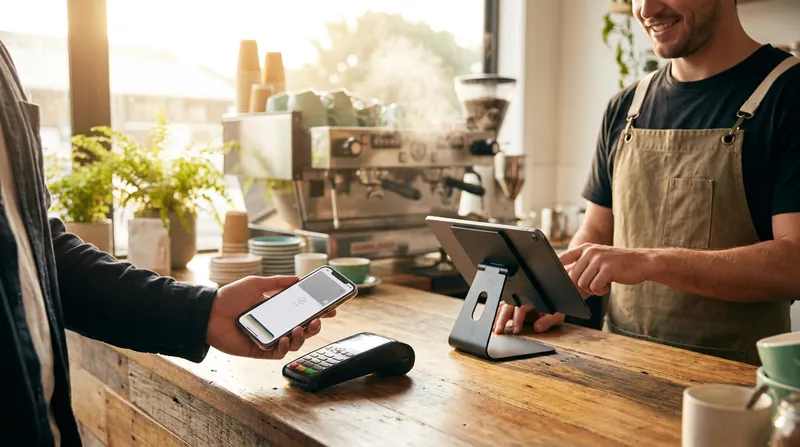
Picture your counter at 8:15 AM during the morning flat white rush, or at 12:30 PM on a sunny Saturday at your food truck or beauty clinic. The queue is six deep. You ditched soggy paper coffee cards to modernise your business and replace paper coffee cards in NZ for good, only to create a brand-new bottleneck at the till.
First, your staff ring up the order on your POS. Then, they have to pick up a separate smartphone scanner or pass a plastic counter pod across the bench so the customer can collect their stamp. Many customers in the queue skip joining because they do not want to download another app, and you are paying US$49 to US$199 per month for a standalone digital stamp card app in NZ that has zero idea what items the customer actually bought.
Retaining your regulars is the highest-return move you can make right now. Benchmark research published by the Harvard Business Review shows that acquiring a new customer is anywhere from 5 to 25 times more expensive than keeping an existing one, and boosting retention by just 5% lifts profits by 25% to 95%. In New Zealand, where the Restaurant Association of New Zealand reports that average hospitality labour costs have climbed to 40% of revenue while cafe and restaurant sales growth sits at a tight 0.3%, you cannot afford extra software subscriptions that slow down your staff.
In this guide, we compare standalone stamp apps (like Stamp Me), third-party mobile wallet tools (like Loopy Loyalty and LoyaltyPass), and hospitality POS with built-in loyalty in NZ. You will get exact cost breakdowns, checkout workflow comparisons, and reward formulas you can put to work today.
Comparing the 3 loyalty setups in New Zealand
When Kiwi business owners look for customer retention software for NZ small business operations, they usually run into three distinct technology setups. While all three promise to get rid of cardboard punch cards, the way they handle customer sign-ups, staff workflows, and purchase data at the till could not be more different.
The Restaurant Association's 2025 Consumer Dining Insights Report found 39% of diners prefer ordering through a venue's own website or app, versus 14% via third-party apps, and over a third are likely to take advantage of dining deals and discounts. Just as we uncovered in our breakdown of MOBI, Bopple & Order Meal vs All-in-One POS Costs NZ (2026), bolting disconnected third-party subscriptions onto your counter stacks up hidden monthly fees and fragments your customer experience.
Here is how the numbers and daily workflows stack up across New Zealand in 2026:
| Feature / Cost Factor | Dedicated Stamp App (e.g., Stamp Me) | Standalone Wallet Pass (e.g., Loopy Loyalty) | Global POS Add-Ons (e.g., Lightspeed) | Native All-in-One POS Loyalty (Lazygrid Premium) |
|---|---|---|---|---|
| Monthly Cost (NZD est.) | ~NZ$85 to $345/mo (Stamp Me publishes US$49 / $79 / $199 plans) | ~$45 to $160+/mo per site | Loyalty pricing varies by provider; check current NZ pricing (Note: Square POS is not sold in New Zealand) | $149/mo (Premium plan includes POS, Loyalty Programme, Promotions Engine, Online Ordering, Table QR codes and Reserve with Google) |
| Customer Sign-Up | Must download app from App Store / Google Play | No-app pass saved into Apple / Google Wallet | Phone keypad entry at terminal (often lacks native Wallet pass) | Digital loyalty card with Apple Wallet / Google Pay integration (no separate customer app) |
| Counter Workflow | 2-step: Ring up POS, then scan counter QR or tap StampPod | 2-step: Ring up POS, then scan pass using separate staff phone | 1-step at till | 1-step: Automatic point accrual directly on POS |
| Reward Flexibility | Stamp cards, plus birthday, random-reward and lapsed-customer campaigns on higher plans | Mostly stamps (limited spend logic) | Points or visit tiers | Stamps, spend points, and Bronze/Silver/Gold VIP tiers |
| Basket Data Visibility | Zero (tracks visits only, blind to what they bought) | Zero (manual staff entry into separate scanner app) | Yes | Purchase history tracked in Lazygrid's built-in customer management |
Note: LoyaltyPass offers native integrations with Square, Toast and Clover, which are less common in New Zealand.
1. Dedicated app platforms (Stamp Me): the app-download wall
When evaluating Loopy Loyalty vs Stamp Me in NZ, the biggest difference starts at the customer's phone screen. Stamp Me is a traditional app-based digital punch card. To join your programme, your customer has to stop at the counter, open the App Store or Google Play, download the Stamp Me app and create an account, and then scan a QR code or tap their phone on a physical plastic StampPod.
In a quiet showroom, that might sound fine. During a busy Wellington lunch rush, it hits a wall. Everyday Kiwis already juggle multiple memberships across retail, hospitality, and beauty shops, leading to app fatigue. When you ask a customer to download yet another dedicated app just to get their tenth coffee free, many simply pass because they are in a rush.
2. Standalone mobile wallet platforms (Loopy Loyalty): no app, but still disconnected
Standalone wallet platforms like Loopy Loyalty solve the app-download problem nicely. Instead of sending customers to an app store, they let customers save a digital pass straight into Apple Wallet or Google Wallet, which fits naturally with how Kiwis already pay. Contactless tap payments are now the norm at NZ counters, and many customers already keep cards in Apple Pay and Google Pay.
While LoyaltyPass offers native integrations with Square, Toast and Clover, which are less common in New Zealand, Loopy Loyalty has no native POS integration, so staff scan the customer's pass with the Loopy merchant app after payment. Because the wallet pass software does not talk to your Point of Sale, every loyal customer triggers a clunky two-device dance at the counter:
- Your barista or receptionist enters the order on your main POS screen and takes the EFTPOS payment.
- The customer switches from their payment card to their loyalty pass.
- Your staff member has to pick up a separate smartphone or iPod running a dedicated Merchant Scanner App, scan the customer's screen, manually type in the number of stamps or dollars spent, and hit submit.
You end up paying $45 to $160+ every month for a digital tool that still relies on slow, manual human data entry on a second device.
3. Native POS loyalty with mobile wallet sync: one tap at checkout
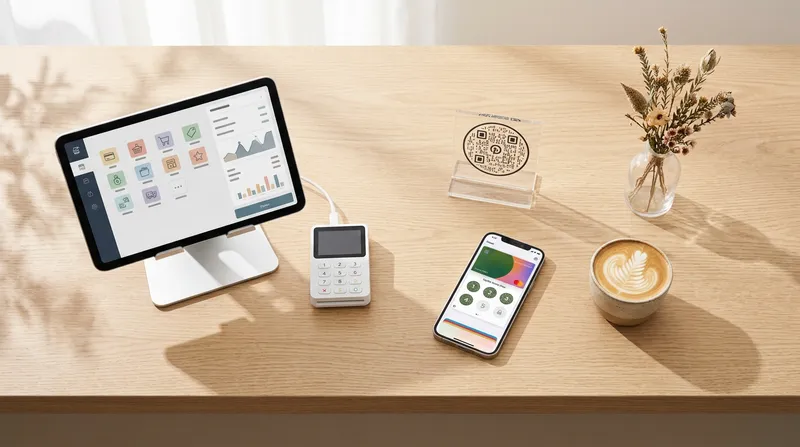
A native POS loyalty system - like the built-in Loyalty Programme included in Lazygrid Premium - brings mobile wallet convenience and till speed together inside one system. Customers still get a frictionless, no-app loyalty program in NZ: they add your digital loyalty card to Apple Wallet or Google Pay, and they never have to download an app.
The magic happens at checkout. Because the loyalty programme is built into your POS, points accrue automatically on purchases, with no second scanner phone required.
Automating repetitive counter steps and connecting customer journeys is one of the fastest ways to boost retention without adding staff hours. If peak-hour speed is a priority in your venue, pairing native loyalty with Order Pacing & Scheduled Pickup POS: Crush the NZ Rush keeps your counter moving effortlessly.
Actionable 3-Minute Counter Audit:
- Time 10 loyalty transactions tomorrow morning: Use your phone stopwatch during peak service. If issuing a loyalty stamp adds unnecessary delays on top of payment, your setup is costing you queue throughput.
- Check your bank statement for USD SaaS creep: Convert what you are paying for standalone stamp apps, email marketing tools, and booking plugins into NZD.
- Test the "forgot my phone" scenario: Ask your staff what happens when a regular leaves their phone in the car. If they cannot access the customer's profile on the POS screen, you are losing engagement.
The hidden costs of third-party stamp apps
Beyond the monthly subscription fee and the two-device counter juggle, keeping your loyalty programme separate from your POS creates three serious operational blind spots.
1. The basket data blind spot
A standalone stamp app only knows when someone scanned a code. It has zero visibility into what they bought. Collecting point-of-sale purchase history allows you to distinguish between customers who make high-value purchases and those who only buy low-margin items. When your customer management and loyalty tools are built into your POS, you can see that "Sarah" has visited 24 times, prefers oat flat whites, always buys a gluten-free slice on Fridays, and has a lifetime value of $410.
2. Counter fraud and 'mate's rates' stamp leakage
How do standalone apps trigger a stamp? Usually via a printed QR code taped near the till, an unmonitored plastic pod, or a staff member manually tapping "+1 Stamp" on a separate merchant phone. None of those triggers verify that a qualifying sale actually happened on your till.
That opens the door to customers snapping a photo of your counter QR code to stamp their own card from home, or staff handing out extra stamps to friends who only bought a $3.50 bottle of water. With native POS loyalty, rewards accrue from sales rung up on your till, and individual staff logins with activity logging show who processed each transaction. For more ways to lock down your counter, read our guide on Stop POS Fraud & Mate's Rates: NZ Till Security Guide.
3. New Zealand Privacy Act 2020 compliance
Every time a customer signs up for your loyalty programme, you are collecting personal information. Under the Privacy Act 2020, customer names, mobile numbers, birthdays and purchase records are personal information, and you must protect them with reasonable security safeguards. Scattering customer profiles across offshore third-party stamp apps creates unnecessary compliance headaches, which you can avoid by following our playbook on NZ Privacy Act IPP 3A (2026): Ditch 3rd-Party Data for POS.
Stamps vs points vs VIP tiers: choosing your setup
One of the biggest traps of buying a dedicated digital stamp card app in NZ is that it forces every business into a one-size-fits-all punch card. While "Buy 9, get the 10th free" works brilliantly for a morning espresso bar, it can quietly ruin your margins if you run a casual restaurant, food truck, massage clinic, or beauty salon where basket sizes vary from $15 to $250.
When weighing up points vs stamp card loyalty in NZ, aim to keep the retail value of rewards around 5% to 10% of spend. Here is how to configure the right model inside an all-in-one POS like Lazygrid for your exact industry:
Cafes & coffee carts: digital stamps and points
For daily coffee habits, digital cards win every time because clear progress milestones drive faster completion behaviour.
- The Setup Blueprint: Configure a "Buy 9 Barista Drinks, Get the 10th Free" loyalty structure connected to Apple Wallet and Google Pay.
- Why Native POS Wins: Because loyalty is built into your POS, points accrue automatically on the sale, with no separate stamping device needed. Pair this with tight stock control using our guide on Stop COGS Leakage: Multi-Site Stock Transfers for NZ Cafes so your free 10th coffee is accurately accounted for in your milk and bean usage.
Restaurants & casual dining: spend-based points and quiet-night multipliers
In a restaurant, giving 1 stamp per visit makes no sense: a solo diner buying a $14 bowl of fries gets the exact same reward progress as a family spending $220 on dinner and drinks.
- The Setup Blueprint: Switch to a spend-based points engine. Award 1 point for every $1 spent, where 100 points unlocks an $8 or $10 dining voucher (an 8% to 10% return on spend).
- Actionable Growth Play: Use Lazygrid's built-in Promotions Engine to run "Double Points Tuesdays" or reward customers who pre-order takeaway via your low-commission online ordering site (where Lazygrid charges only a small per-order commission that you can pass on to the customer, keeping you free of 30% delivery app markups). If you run a busy daytime eatery, combine this with our Stop NZ Brunch Walk-Outs: The No-Bookings POS Strategy.
Massage clinics & beauty salons: VIP spend tiers and retail boosters
Wellness and beauty clients who visit every six weeks will take over a year to fill a 10-stamp card, so tiers and points often suit them better.
- The Setup Blueprint: Use Points + Bronze, Silver, and Gold VIP Tiers inside your salon and beauty loyalty software in NZ. Let clients earn points on both booked treatments and high-margin retail skincare or essential oils at checkout.
- Why Native POS Wins: When a regular client books online (with Lazygrid charging just a flat NZ$0.50 or NZ$1.00 per-booking fee depending on your industry, including via Reserve with Google, rather than hefty marketplace commissions), your team can see the client's customer profile and notes in the POS. You can reward loyal clients with a complimentary 15-minute hot stone add-on or an automated birthday voucher. See how much you can save on software overheads in our comparison of Fresha vs Kitomba vs Lazygrid: NZ Salon POS Costs in 2026.
Food trucks & night market vendors: speed-first checkout
When you are serving out of a food truck at a busy Friday night market or summer festival, counter space is tiny and queue speed is everything.
- The Setup Blueprint: Put a QR code on your truck's A-frame sign so customers waiting in line can pre-order from your mobile menu, and let regulars save your digital loyalty card to Apple Wallet or Google Pay so they never need a paper card at the window.
- Important Connectivity Tip for Food Trucks: Because cloud-based POS systems and real-time loyalty databases require an active internet connection to process orders and payments (cached data stays viewable during a dropout, but live transactions cannot be processed offline), never rely on a personal phone hotspot for daily trading. If your truck trades at regular city spots with good mobile coverage, use a dedicated 4G/5G wireless broadband router. If you trade at rural festivals or remote markets with patchy cell towers, set up Starlink Business (starting from NZ$92/month for 50GB, which is plenty for POS and loyalty data, with a NZ$449 one-off hardware cost that is sometimes free during promotions).
How to migrate from paper cards or Stamp Me to native POS loyalty
Many cafe, restaurant, and salon owners stay stuck on expensive third-party apps or tattered paper cards because they worry that switching systems will annoy their regulars. With a clear plan, you can make the switch to native POS loyalty smoothly.
Follow this 4-step migration checklist:
- Export Your Existing VIPs: Export your customer list from your current provider before cancelling, and check with the Lazygrid team how best to bring existing customers and balances across.
- Configure Your Reward Rules and Wallet Pass: Choose whether you want stamps, spend-based points, or Bronze/Silver/Gold VIP tiers. Set up your digital card so it integrates with Apple Wallet and Google Pay, and turn on automated notifications for birthdays and reward milestones.
- Clear the Counter Clutter: Remove the old plastic StampPod or third-party flyers from your counter so staff and customers have a single, clean checkout flow.
- Run a 30-Day 'Paper Card Amnesty' at the Till: Put a friendly note on your counter: "Trade in your old paper coffee cards this month!" When a regular hands over a paper card with 6 stamps on it, your barista simply creates their profile on the POS, credits their existing progress, and recycles the cardboard card on the spot.
Conclusion: stop paying twice to reward your own customers
Standalone apps like Stamp Me and wallet tools like Loopy Loyalty helped Kiwi businesses take their first step away from dog-eared paper punch cards. However, in 2026, paying an extra US$49 to US$199 every month for a disconnected loyalty subscription that forces your staff to juggle a second scanner device at the counter no longer adds up.
When you run a hospitality POS with built-in loyalty in NZ, customer retention becomes effortless. Your customers get no-app Apple Wallet and Google Pay passes on their phones, your staff issue rewards automatically at checkout, and you get visibility into every customer's purchase history inside your POS customer management system.
Want to see how easy it is to automate your rewards and speed up your checkout queue? Explore how Lazygrid POS brings your till, EFTPOS NZ payments, online ordering, bookings, and native mobile wallet loyalty together in one affordable system, or get in touch with our local team for a quick walkthrough.
Frequently asked questions
What is the difference between Stamp Me, LoyaltyPass, Loopy Loyalty, and native POS loyalty in New Zealand?
Stamp Me is a standalone app that requires your customers to visit the App Store or Google Play, download the Stamp Me app, and scan a counter code or tap a plastic pod. Loopy Loyalty removes the app download by saving passes into Apple Wallet and Google Wallet, but it has no native POS integration, so staff scan the customer's pass with the Loopy merchant app after payment. LoyaltyPass offers native integrations with Square, Toast and Clover, which are less common in New Zealand. Native POS loyalty (such as Lazygrid) provides digital loyalty cards with Apple Wallet and Google Pay integration and accrues points automatically on POS purchases.
Can customers still collect rewards if they don't use Apple Wallet or Google Pay?
Yes. One major drawback of standalone wallet-pass platforms is that customers who do not use digital wallets get left behind. With a native POS loyalty programme, Apple Wallet and Google Pay are completely optional for the customer, as their profile and points balance are stored directly inside the POS customer management system.
Should my NZ business use a digital stamp card or a points-based loyalty programme?
Use a stamp card structure if you sell high-frequency, fixed-price items where the margin is consistent - such as barista coffees, smoothies, or bubble tea ("Buy 9, get the 10th free"). Use a points-based or tiered membership programme if your transaction values vary significantly from customer to customer, such as in casual dining restaurants, food trucks selling both snacks and family combos, massage clinics, and beauty salons selling treatments alongside retail products.
How do I switch from paper coffee cards or Stamp Me without upsetting my regular customers?
Run a 30-day transition window at your counter. If you are switching away from a paid third-party platform like Stamp Me or Loopy Loyalty, export your customer list from your current provider before cancelling, and check with the Lazygrid team how best to bring existing customers and balances across. If you are phasing out paper cards, allow your staff to credit the customer's existing paper stamp count onto their new POS profile during their next visit.
Does a built-in POS loyalty programme comply with the New Zealand Privacy Act 2020?
Keeping customer data in fewer systems makes Privacy Act 2020 obligations easier to manage, but compliance is still your responsibility: tell customers what you collect and why, keep it secure, and let them access and correct it. Lazygrid stores data securely and customers control their information.